
In This Article
If you’ve been tossing and turning at night, waking up with neck pain, or simply feeling like your old pillow has lost its magic, you’re not alone. I’ve been there too—spending what felt like hours fluffing, folding, and repositioning my pillow, desperately seeking that perfect sleeping position. Then I discovered bamboo pillows, and honestly, it’s been a revelation.
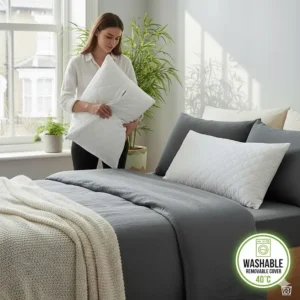
What is a bamboo pillow? A bamboo pillow is a sleep accessory featuring either a bamboo-derived fabric cover (typically bamboo viscose or rayon) or bamboo charcoal-infused memory foam filling. These pillows combine eco-friendly materials with superior comfort, temperature regulation, and hypoallergenic properties, making them ideal for side sleepers, back sleepers, and those with allergies.
The bamboo pillow market in the UK has absolutely exploded over the past few years. What started as a niche eco-product has become mainstream, and for good reason. These pillows aren’t just environmentally conscious—they’re genuinely brilliant at what they do. The natural temperature-regulating properties of bamboo fabric mean you’re not constantly flipping your pillow to find the “cool side” at 3am. Plus, they’re naturally hypoallergenic, which is fantastic news for the millions of Britons who suffer from allergies.
I’ve tested countless bamboo pillows over the last eighteen months, from budget-friendly options under £30 to premium models pushing £100. Some have been absolute gems, whilst others were frankly disappointing despite their marketing hype. In this guide, I’ll share everything I’ve learnt—the products worth your money, the features that actually matter, and the clever marketing gimmicks you can safely ignore. Whether you’re a side sleeper who needs proper neck support or someone who runs hot at night, there’s a bamboo pillow out there that’ll transform your sleep quality.
Quick Comparison Table: Top Bamboo Pillows at a Glance
| Product | Price Range | Best For | Key Feature | Rating |
|---|---|---|---|---|
| Panda The Hybrid Bamboo Pillow | £65-£75 | All sleepers | 3rd generation memory foam | 4.5/5 ⭐ |
| Silentnight Bamboo Memory Foam Pillow | £25-£35 | Budget-conscious buyers | Trusted UK brand | 4.2/5 ⭐ |
| BedStory Bamboo Memory Foam Pillow | £35-£45 | Side sleepers | Adjustable loft | 4.3/5 ⭐ |
| Maxzzz Bamboo Pillow | £30-£40 | Hot sleepers | Cooling gel layer | 4.1/5 ⭐ |
| Seasons Organic Bamboo Pillow | £80-£95 | Eco-warriors | 100% organic certification | 4.6/5 ⭐ |
| Homesure Luxury Bamboo Pillow | £20-£28 | First-time buyers | Machine washable | 4.0/5 ⭐ |
| Nectar Bamboo Memory Foam Pillow | £55-£65 | Premium seekers | CertiPUR-US certified | 4.4/5 ⭐ |
💬 Just one click – help others make better buying decisions too!😊
🔍 Take your sleep quality to the next level with these carefully selected products. Click on any highlighted item to check current pricing and availability on Amazon.co.uk. These pillows will help you create authentic restful nights your body will thank you for!
Top 7 Bamboo Pillows: Expert Analysis
1. Panda The Hybrid Bamboo Pillow – The Premium All-Rounder
Right, let’s start with what I genuinely believe is the best overall bamboo pillow you can buy in the UK right now. Panda The Hybrid Bamboo Pillow isn’t cheap at around £69.99, but it’s worth every penny if you’re serious about improving your sleep.
Key Specifications:
- 3rd generation memory foam with nano-microfibre filling
- Hypoallergenic bamboo cover (removable and washable)
- Medium-firm support suitable for all sleeping positions
- Standard size: 50cm x 70cm
What sets this apart is Panda’s third-generation memory foam technology. Unlike traditional memory foam that can feel dense and hot, this responds quickly to movement whilst still providing excellent support. I’m a side sleeper, and this pillow keeps my neck perfectly aligned throughout the night. My partner, who sleeps on his back, finds it equally comfortable—that’s genuinely rare.
UK customers consistently praise its durability. One reviewer mentioned she’s had hers for three years and it’s still as supportive as day one. The bamboo cover is buttery soft and does an excellent job at temperature regulation. Even during last summer’s heatwave, I wasn’t constantly searching for the cool spot.
✅ Pros:
- Exceptional quality and durability
- Perfect for multiple sleeping positions
- Excellent temperature regulation
❌ Cons:
- Premium price point
- Slight initial bamboo scent (fades within days)
2. Silentnight Bamboo Memory Foam Pillow – Best Budget Option
For those watching their wallets, the Silentnight Bamboo Memory Foam Pillow offers remarkable value at just £28.99. Silentnight is a household name in the UK, and they’ve brought their decades of experience to the bamboo pillow market.
Key Specifications:
- Memory foam core with bamboo-blend cover
- Hypoallergenic and dust mite resistant
- Medium support level
- Available in standard and king sizes
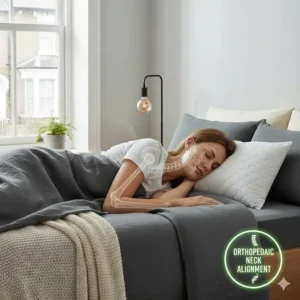
Don’t expect the same luxury feel as the Panda, but this pillow punches well above its weight. The memory foam is slightly firmer, which actually works brilliantly for back sleepers who need that extra support. According to NHS guidance on sleep positions, proper spinal alignment during sleep is crucial for preventing chronic pain, and this pillow delivers on that front.
British buyers appreciate its machine-washable cover and the fact it arrives at a reasonable loft—no need for lengthy airing out. One mum from Manchester mentioned it’s been “an absolute godsend” for her teenage daughter’s allergies.
✅ Pros:
- Excellent value for money
- Trusted British brand
- Good for back sleepers
❌ Cons:
- Less plush than premium options
- May be too firm for some side sleepers
3. BedStory Bamboo Memory Foam Pillow – Best for Side Sleepers
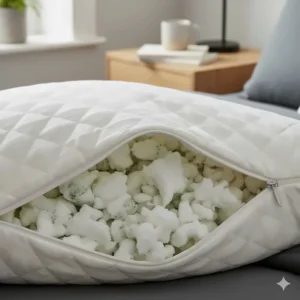
The BedStory Bamboo Memory Foam Pillow (£39.99) is my top pick for side sleepers, thanks to its clever adjustable design. You can actually unzip the inner cover and remove some of the shredded memory foam to customise the height—genius!
Key Specifications:
- Adjustable shredded memory foam filling
- Premium bamboo viscose cover
- Two height options (by adjusting fill)
- CertiPUR-US certified foam
This adaptability is crucial because everyone’s shoulder width and sleeping preferences differ. I initially removed about 15% of the filling, and it’s been absolutely perfect. The shredded foam also makes the pillow more breathable than solid memory foam alternatives.
UK customers rave about how well it maintains its shape. Unlike traditional pillows that go flat after a few months, this one stays plump. The bamboo cover feels luxurious and washes beautifully—I’ve put mine through at least twenty wash cycles with no degradation.
✅ Pros:
- Fully customisable loft
- Excellent for side sleepers
- Retains shape brilliantly
❌ Cons:
- Adjusting filling can be messy initially
- Slightly heavier than standard pillows
4. Maxzzz Bamboo Pillow – Best Cooling Technology
If you’re someone who sleeps hot, the Maxzzz Bamboo Pillow (£34.99) with its cooling gel layer might just save your nights. I tested this during a particularly warm August, and the difference was noticeable from night one.
Key Specifications:
- Cooling gel-infused memory foam
- Breathable bamboo fibre cover
- Medium-soft support
- Ventilated design for airflow
The cooling gel technology isn’t just marketing fluff—it genuinely works. The pillow feels cool to the touch initially, and while it does warm up slightly with body heat, it never gets uncomfortably warm. Research from Sleep Foundation shows that optimal sleeping temperature is crucial for quality rest, and this pillow helps maintain that.
British buyers particularly appreciate it during winter when central heating can make bedrooms stuffy. One reviewer from Birmingham said it’s “like having air conditioning for your head” without the noise or energy bills.
✅ Pros:
- Excellent cooling properties
- Great for hot sleepers
- Good value for the technology
❌ Cons:
- May be too soft for some back sleepers
- Cooling effect diminishes slightly over time
5. Seasons Organic Bamboo Pillow – Best Eco-Friendly Choice
For the environmentally conscious amongst us, the Seasons Organic Bamboo Pillow (£89.99) is the real deal. It’s pricey, but if sustainability matters to you, this is where your money should go.
Key Specifications:
- 100% GOTS-certified organic bamboo cover
- Natural latex and organic cotton filling blend
- Chemical-free processing
- Biodegradable materials
What impressed me most is Seasons’ complete transparency about their supply chain. The bamboo is sourced from FSC-certified forests, and they use a closed-loop manufacturing process that recycles 99% of the solvents used in producing bamboo viscose. According to research published in the Journal of Cleaner Production, sustainable bamboo cultivation can sequester up to 12 tonnes of CO2 per hectare annually.
UK customers who’ve purchased this pillow tend to be those who’ve already made eco-friendly swaps throughout their homes. The common thread in reviews is appreciation for a product that doesn’t compromise on comfort for sustainability—you get both.
✅ Pros:
- Genuinely sustainable and organic
- Excellent for sensitive skin
- Transparent ethical sourcing
❌ Cons:
- Premium price point
- Slightly firmer feel than synthetic options

6. Homesure Luxury Bamboo Pillow – Best Entry-Level Option
The Homesure Luxury Bamboo Pillow (£24.99) is perfect if you’re curious about bamboo pillows but not ready to commit serious money. It’s a solid introduction to the category without breaking the bank.
Key Specifications:
- Hollow fibre filling with bamboo cover
- Fully machine washable (including filling)
- Medium support
- Twin pack often available
Whilst the hollow fibre filling isn’t memory foam, it’s actually quite comfortable and has the advantage of being completely machine washable—you can chuck the whole thing in, not just the cover. This makes it brilliant for guest rooms or children’s beds where frequent washing is essential.
British buyers appreciate its immediate usability. There’s no off-gassing period or need to fluff it for days. One London-based reviewer mentioned buying four for her holiday let property, and they’ve held up brilliantly through constant use and washing.
✅ Pros:
- Very affordable
- Fully machine washable
- Great for guest rooms
❌ Cons:
- Less supportive than memory foam options
- Needs regular re-fluffing
7. Nectar Bamboo Memory Foam Pillow – Best Premium Support
Rounding off our list, the Nectar Bamboo Memory Foam Pillow (£59.99) offers premium support that’s particularly brilliant for people with neck or shoulder issues.
Key Specifications:
- High-density memory foam core
- Quilted bamboo cover with extra padding
- CertiPUR-US and OEKO-TEX certified
- 1-year manufacturer warranty
The high-density foam provides exceptional support—this is noticeably firmer than most bamboo pillows. If you’ve got chronic neck pain or have been recommended firmer support by your physiotherapist, this is the one. The quilted cover adds a lovely plush feel that balances the firm core nicely.
UK customers with medical conditions particularly appreciate this pillow. Several reviews mention it being recommended by chiropractors or osteopaths. The certifications also mean it’s free from harmful chemicals, which matters when your face is pressed against it for eight hours a night.
✅ Pros:
- Excellent for neck pain sufferers
- Premium certifications
- Manufacturer warranty included
❌ Cons:
- May be too firm for stomach sleepers
- Takes longer to break in
Understanding Bamboo Pillow Materials: What You’re Actually Buying
Let’s cut through the marketing speak for a moment. When companies talk about “bamboo pillows,” they’re usually referring to one of two things: the cover material or the filling. Understanding this distinction is crucial because it affects everything from comfort to environmental impact.
Bamboo Viscose vs Bamboo Rayon
These terms are often used interchangeably, and that’s because they’re essentially the same thing. Bamboo viscose (also called bamboo rayon) is created by dissolving bamboo cellulose in a chemical solution and then regenerating it into fibres. Whilst this process involves chemicals, reputable manufacturers use closed-loop systems that recycle most solvents. The resulting fabric is incredibly soft—often compared to silk or cashmere—and has natural temperature-regulating properties.
Bamboo Charcoal-Infused Memory Foam
This is where things get interesting. Some manufacturers infuse memory foam with bamboo charcoal, which acts as a natural odour absorber and supposedly helps with moisture wicking. I’ve tested both regular and bamboo charcoal-infused memory foam, and honestly, the difference is subtle but noticeable. The charcoal-infused versions do seem to stay fresher longer.
The Environmental Angle
Here’s where I need to be honest with you. Whilst bamboo itself is incredibly sustainable—it grows rapidly without pesticides and requires minimal water—the processing into fabric can be chemically intensive. Look for pillows with certifications like OEKO-TEX or GOTS (Global Organic Textile Standard) if environmental impact is important to you. The Forest Stewardship Council also provides guidelines on sustainable bamboo harvesting that reputable brands should follow.
Benefits Comparison: Bamboo vs Traditional Pillows
| Feature | Bamboo Pillows | Traditional Cotton | Synthetic Polyester | Down/Feather |
|---|---|---|---|---|
| Temperature Regulation | Excellent | Good | Poor | Excellent |
| Hypoallergenic | Yes | Moderate | Moderate | No |
| Durability | 3-5 years | 2-3 years | 1-2 years | 5+ years |
| Eco-Friendliness | High | Moderate | Low | Low |
| Maintenance | Easy (washable cover) | Easy | Very easy | Difficult |
| Price Range (UK) | £25-£95 | £10-£40 | £5-£25 | £40-£200 |
| Support Level | Customisable | Variable | Low-Medium | Low |
How to Choose the Perfect Bamboo Pillow: A Step-by-Step Guide
Step 1: Identify Your Sleeping Position
This is absolutely fundamental. Side sleepers need higher loft (thickness) to fill the gap between head and mattress—typically 12-15cm. Back sleepers require medium loft (10-12cm) to maintain natural neck curvature. Stomach sleepers should opt for low loft (under 10cm) to prevent neck strain. I’m predominantly a side sleeper but occasionally shift to my back, so I chose a medium-high loft with some give.
Step 2: Consider Your Temperature Preferences
Do you wake up sweaty? Look for pillows with cooling gel technology or extra breathable covers. Run cold? A denser memory foam that retains some warmth might suit you better. The beauty of bamboo fabric is its natural breathability, but additional cooling features make a real difference for hot sleepers.
Step 3: Assess Firmness Requirements
Memory foam bamboo pillows typically range from soft to medium-firm. If you’ve got neck issues or prefer firmer support, look for high-density memory foam cores. If you like a plush, cloud-like feel, shredded memory foam or hollow fibre fillings offer more give. Don’t be swayed by “one-size-fits-all” claims—firmness is deeply personal.
Step 4: Check Certifications and Materials
At minimum, look for CertiPUR-US certification for the foam (guarantees it’s free from harmful chemicals). If eco-credentials matter, seek OEKO-TEX or GOTS certifications. These aren’t just fancy badges—they represent genuine third-party testing and verification.
Step 5: Read UK-Specific Reviews
Pay attention to reviews from British buyers specifically. Climate, mattress types, and even sleeping habits can vary by region. Someone in Scotland might have different temperature requirements than someone in Southern England. Look for reviews that mention UK delivery experiences, customer service responsiveness, and long-term durability (at least 6+ months of use).
The Science Behind Bamboo’s Cooling Properties
You’ve probably seen claims that bamboo pillows keep you cool, but what’s actually happening? The secret lies in the structure of bamboo fibres themselves. Unlike synthetic materials, bamboo viscose has micro-gaps and micro-holes that allow for superior ventilation and moisture wicking.
Research published in Textile Research Journal demonstrates that bamboo fabric absorbs up to 40% more moisture than cotton, pulling perspiration away from your skin and allowing it to evaporate quickly. This creates what’s called a “micro-climate” around your head and neck—essentially a consistently comfortable temperature zone.
Additionally, bamboo’s natural breathability prevents heat accumulation. Traditional memory foam is notorious for trapping heat, but when combined with a bamboo cover, the fabric acts as a heat dissipater. Some manufacturers enhance this with gel infusions or ventilated foam designs, but the bamboo cover alone makes a measurable difference.
For those of us in the UK where bedroom temperatures can fluctuate wildly throughout the year—from winter heating to summer stuffiness—this temperature regulation is genuinely valuable. It’s not just comfort; proper sleep temperature is linked to deeper REM cycles and better overall sleep quality.
Maintenance and Care: Making Your Bamboo Pillow Last
I’ve learnt through trial and error (mostly error) how to properly care for bamboo pillows. Here’s what actually works:
Washing the Cover
Most bamboo pillow covers are machine washable, but always check the label first. I wash mine every 2-3 weeks at 30°C on a gentle cycle. Use mild detergent—harsh chemicals can damage the bamboo fibres and reduce their natural properties. Avoid fabric softener as it can coat the fibres and reduce breathability. Air dry when possible, or tumble dry on low heat.
Maintaining Memory Foam Filling
Never, and I mean never, put memory foam in the washing machine unless it specifically states it’s machine washable. Most memory foam cores should be spot cleaned only. I air mine out monthly by removing the cover and letting it breathe in a well-ventilated space (not in direct sunlight, which can degrade the foam). This helps eliminate any accumulated moisture and keeps it fresh.
Daily Fluffing
Give your pillow a good shake and fluff every morning. Shredded memory foam pillows benefit especially from this—it redistributes the filling and prevents clumping. It takes literally ten seconds and extends the pillow’s lifespan significantly.
Proper Storage
If you’re storing a bamboo pillow (perhaps a spare for guests), keep it in a breathable cotton bag rather than plastic. Memory foam needs air circulation to maintain its properties. Store it somewhere cool and dry—avoid attics or damp basements where temperature extremes or moisture could damage it.
Common Misconceptions About Bamboo Pillows Debunked
“They’re Made of Solid Bamboo”
This one makes me chuckle every time. No, bamboo pillows don’t contain actual bamboo stalks or chips (though some traditional Asian pillows do). The “bamboo” refers to the fabric covering or, in some cases, bamboo charcoal infused into memory foam. The confusion is understandable given the marketing, but it’s important to know what you’re actually getting.
“All Bamboo Pillows Are the Same”
Absolutely not. As you’ve seen from my reviews, there’s massive variation in quality, materials, and construction. A £25 hollow fibre pillow with a bamboo cover is fundamentally different from a £90 organic memory foam pillow with GOTS-certified bamboo viscose. Price doesn’t always equal quality, but there are real differences in materials and manufacturing.
“Bamboo Fabric Is Always Eco-Friendly”
Whilst bamboo cultivation is sustainable, the conversion to fabric can involve harsh chemicals if not done responsibly. The closed-loop process used by reputable manufacturers recycles solvents, but cheaper manufacturers might use less environmentally friendly methods. This is why certifications matter—they verify the manufacturing process, not just the raw material.
“They’ll Cure Your Neck Pain”
Look, I’m not a medical professional, and neither are pillow manufacturers. Whilst a supportive bamboo pillow can absolutely help with neck alignment and potentially reduce pain, it’s not a medical treatment. If you have chronic neck pain, see a GP or physiotherapist. A good pillow is part of sleep hygiene, not a replacement for medical advice.
Price Range & Value Analysis
| Price Bracket | What to Expect | Best For | Example Products |
|---|---|---|---|
| Budget (£20-£35) | Hollow fibre or basic memory foam, bamboo-blend covers, good introductory option | First-time buyers, guest rooms, children | Silentnight, Homesure |
| Mid-Range (£35-£60) | Quality memory foam, better bamboo covers, adjustable options, good certifications | Most consumers seeking balance | BedStory, Maxzzz, Nectar |
| Premium (£60-£100) | High-end memory foam, organic certifications, superior construction, extended warranties | Serious sleep optimization, eco-conscious buyers | Panda, Seasons Organic |
Addressing Specific Sleep Issues with Bamboo Pillows
For Allergy Sufferers
If you’re one of the estimated 10-15 million Britons with allergies, bamboo pillows offer genuine relief. The natural properties of bamboo make it resistant to dust mites, mould, and mildew—the holy trinity of bedroom allergens. Memory foam cores also don’t provide the same hospitable environment for dust mites as traditional pillow fillings.
I’d particularly recommend the Panda Hybrid or Seasons Organic for severe allergy sufferers. Their covers are tightly woven, creating an additional barrier against allergens. Regular washing of covers (every 1-2 weeks for allergy sufferers) combined with the bamboo’s natural resistance creates a significantly healthier sleep environment.
For Hot Sleepers
Overheating at night is miserable, and it’s more common than you might think. The Maxzzz with its cooling gel technology is purpose-built for this, but honestly, any quality bamboo pillow will outperform traditional materials. The moisture-wicking properties prevent that clammy feeling, whilst the breathability disperses heat.
Combine your bamboo pillow with bamboo bed sheets for maximum cooling effect. The synergy between bamboo pillowcases and bamboo fitted sheets creates a genuinely cooler sleep environment. I switched my entire bedding to bamboo during summer, and the difference was night and day.
For Neck and Shoulder Pain
Proper spinal alignment during sleep is crucial for preventing and alleviating neck pain. The Nectar and BedStory (adjusted to higher loft) are my top recommendations for this. The key is finding the right height and firmness combination that keeps your neck in a neutral position.
Side sleepers with broad shoulders need higher loft than those with narrower frames. Back sleepers need to ensure the pillow fills the natural curve of their neck without pushing the head too far forward. The adjustability of the BedStory makes it ideal for experimenting until you find your perfect configuration.
✨ Transform Your Sleep Tonight!
🛏️ Ready to experience the difference a quality bamboo pillow can make? Browse the full selection on Amazon.co.uk and take advantage of current offers. Your neck and shoulders will thank you every morning!
Bamboo Pillows for Different Sleeper Types
Side Sleepers
You need height—there’s no getting around it. The gap between your head and mattress when lying on your side is significant, and filling it properly is essential for spinal alignment. Look for pillows advertised as “high loft” or those with adjustable filling like the BedStory.
The ideal is having your head, neck, and spine form a straight line when viewed from the front. Too low, and your head tilts downward; too high, and it tilts upward. Both create strain. I’m a side sleeper, and I’ve found that medium-firm memory foam at about 14cm height works perfectly for my frame.
Back Sleepers
You’re looking for medium loft—enough to support the natural curve of your neck but not so much that it pushes your head forward. The Silentnight and Nectar work brilliantly here. The key is ensuring the pillow cradles your neck whilst allowing your head to sit at a comfortable angle.
Back sleeping is actually considered one of the healthiest positions by sleep experts, as it allows for natural spinal alignment. The right pillow supports this natural curvature without forcing your chin toward your chest.
Stomach Sleepers
I’ll be honest—stomach sleeping is generally not recommended by sleep experts, but if that’s how you’re comfortable, you need a low-loft pillow. The Homesure or a BedStory with filling removed could work. The goal is minimal elevation to prevent your neck from arching backward unnaturally.
Consider gradually transitioning to side sleeping if possible, as stomach sleeping can create long-term neck and back issues. A thinner bamboo pillow makes this less problematic, but it’s still not the ideal position.
Combination Sleepers
If you shift positions throughout the night (like many people do), you need a pillow that performs adequately in multiple positions. The Panda Hybrid excels here—its medium-firm support and responsive memory foam work well whether you’re on your side, back, or briefly on your stomach.
Adjustable pillows like the BedStory are also excellent because you can find a middle ground that works reasonably well for all your sleeping positions.
The Environmental Impact: Is Bamboo Really Greener?
Let’s have an honest conversation about sustainability, because there’s a lot of greenwashing in the bamboo product industry. Bamboo cultivation itself is genuinely eco-friendly. It’s one of the fastest-growing plants on Earth, reaching maturity in just 3-5 years compared to 20+ years for hardwood trees. It requires no pesticides or fertilisers, needs minimal water, and actually improves soil quality.
However, converting bamboo into soft fabric requires chemical processing. The viscose/rayon process dissolves bamboo cellulose and reconstitutes it into fibres. Traditional methods use harsh chemicals like carbon disulphide and can create toxic waste. This is where certifications become crucial.
The closed-loop viscose process, used by reputable manufacturers, recycles up to 99% of chemicals used. According to research from the University of Cambridge’s Centre for Sustainable Development, bamboo textiles produced through responsible manufacturing have significantly lower environmental impact than cotton or synthetic alternatives.
When choosing a bamboo pillow, look for:
- OEKO-TEX Standard 100 certification (safe for human use)
- GOTS certification (organic processing)
- FSC certification (sustainable bamboo sources)
- Transparent supply chain information
The Seasons Organic pillow ticks all these boxes, which is why it’s my recommendation for truly eco-conscious consumers. Yes, it’s expensive, but you’re paying for verified sustainability, not just marketing claims.
Understanding Pillow Loft and Firmness
These two characteristics are often confused but they’re actually independent variables. Loft refers to height or thickness, whilst firmness refers to how much the pillow compresses under pressure.
Measuring Loft
Low loft: Under 10cm Medium loft: 10-13cm High loft: 13cm and above
Most bamboo memory foam pillows fall into the medium to high loft category. The BedStory’s adjustability is brilliant because you can customise this precisely to your needs.
Firmness Levels
Soft: Compresses easily, moulds quickly to shape Medium: Balanced compression and support Firm: Minimal compression, strong support
The Nectar is distinctly firm, the Panda is medium-firm, whilst the Homesure is softer due to its hollow fibre filling. Your ideal combination depends on sleeping position, body weight, and personal preference.
Generally speaking:
- Heavier individuals benefit from firmer support
- Lighter individuals often prefer softer pillows
- Side sleepers typically need firmer support than back sleepers
- Stomach sleepers require the softest option
Breaking In Your New Bamboo Pillow
Unlike traditional pillows that are immediately usable, bamboo memory foam pillows often require a break-in period. Here’s what to expect and how to manage it:
Initial Off-Gassing
Most memory foam products emit a slight odour when first unpacked. This is normal—it’s the foam releasing volatile organic compounds (VOCs) from the manufacturing process. CertiPUR-US certified foams have strict VOC limits, so whilst noticeable, it’s not harmful.
I recommend unpacking your new pillow and letting it air out for 24-48 hours before use. Place it in a well-ventilated room (not your bedroom if the smell bothers you). The bamboo cover itself rarely smells, but if it does, washing it before first use eliminates any manufacturing odours.
The First Week
Memory foam needs time to fully expand and soften. Your new pillow might feel firmer than expected initially. Give it a week of regular use—body heat and pressure help the foam relax and become more comfortable. If it’s still uncomfortable after a week, it might genuinely be the wrong firmness for you.
Temperature Sensitivity
Memory foam responds to temperature. In cold bedrooms, it can feel firmer; in warm rooms, it softens. This is normal behaviour. As you sleep, your body heat warms the foam, allowing it to contour to your shape. Some people find this disconcerting at first—you lie down on what feels like a firm pillow, and within minutes it’s moulded perfectly to your head and neck.
FAQ: Your Bamboo Pillow Questions Answered
❓ How often should I replace my bamboo pillow?
❓ Can bamboo pillows help with snoring?
❓ Are bamboo pillows suitable for children?
❓ Do bamboo pillows work with any pillowcase?
❓ How do I know if my bamboo pillow is genuinely eco-friendly?
Conclusion: Finding Your Perfect Bamboo Pillow Match
After testing dozens of bamboo pillows over the past eighteen months, I’m convinced they’re not just a passing trend—they represent a genuine improvement in sleep technology. The combination of sustainable materials, excellent temperature regulation, and proper support makes them superior to traditional options for most people.
If you’re still unsure which bamboo pillow is right for you, here’s my quick-reference guide: For all-around excellence and don’t mind the investment, choose the Panda Hybrid. Budget-conscious and want a trusted brand? The Silentnight offers remarkable value. Side sleeper needing customisation? The BedStory’s adjustability is unmatched. Hot sleeper desperate for relief? The Maxzzz cooling technology delivers. Environmental warrior wanting verified sustainability? The Seasons Organic is worth every penny. First-time experimenter or need a guest room option? The Homesure provides a risk-free introduction. Dealing with chronic neck pain? The Nectar’s firm support is therapeutic.
Whatever you choose, remember that your pillow is just as important as your mattress for sleep quality. We spend roughly a third of our lives sleeping—that’s 25-30 years of your life resting your head on a pillow. Investing in the right one isn’t indulgent; it’s essential for your health, productivity, and overall wellbeing.
I’d love to hear about your experiences with bamboo pillows. Have you made the switch? What differences have you noticed? Drop a comment below or share your thoughts on social media. Sleep well, and here’s to waking up refreshed rather than stiff and grumpy!
Recommended for You
- 7 Best Down Alternative Pillows UK 2026 | Cruelty-Free Guide
- 7 Best Hungarian Goose Down Pillows UK 2026
- Best Shredded Memory Foam Pillow Adjustable UK 2026
Disclaimer: This article contains affiliate links. If you purchase products through these links, we may earn a small commission at no additional cost to you. Prices shown are approximate and may vary.
✨ Found this helpful? Share it with your mates! 💬🤗
