

In This Article
You know the feeling. That stiff neck greeting you before your alarm even goes off. The tension headache that builds by mid-morning. The nagging shoulder pain that makes checking your blind spot whilst driving genuinely uncomfortable. Most of us blame it on stress, poor posture at work, or simply “ageing.” What we overlook is the eight hours we spend unconscious, with our necks twisted at angles that would horrify any physiotherapist.
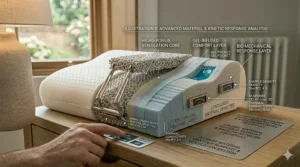
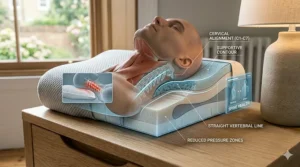
A posture correcting pillow isn’t just another wellness fad cluttering up Instagram—it’s a rather sensible solution to a problem affecting roughly 45% of British adults. The NHS identifies sleeping with your neck in awkward positions as one of the most common causes of neck pain. Unlike traditional pillows that simply cushion your head, these ergonomically designed pillows actively guide your cervical spine into proper alignment throughout the night. The result? Your muscles actually relax instead of compensating for poor positioning, your intervertebral discs decompress properly, and you wake without that familiar stiffness that’s become part of your morning routine.
In this comprehensive guide, I’ve researched and analysed the top posture correcting pillows available on Amazon.co.uk in 2026. Whether you’re a side sleeper battling chronic shoulder pain, a back sleeper with persistent headaches, or someone who’s tried every remedy short of sleeping upright in a chair, you’ll find expert commentary on which pillow suits your specific needs—and why the wrong choice might actually make things worse.
Quick Comparison: Top Posture Correcting Pillows at a Glance
| Pillow Model | Best For | Key Feature | Price Range | UK Delivery |
|---|---|---|---|---|
| Elviros Cervical Memory Foam | Side & back sleepers | 4 adjustable heights | £30-£45 | Prime eligible |
| SISSEL Classic Medium | European build quality seekers | Integrated ventilation | £50-£70 | 2-3 days |
| Hydomi Orthopaedic | Budget-conscious buyers | Cooling pillowcase | £25-£35 | Amazon Fulfilment |
| UTTU Sandwich Pillow | Height customisation fans | Removable foam layers | £35-£50 | Prime eligible |
| Tempur Original | Premium comfort seekers | NASA-developed material | £90-£140 | Next-day available |
| Ecosafeter 2026 Upgrade | Deep sleep prioritisers | Superior comfort design | £30-£40 | Free over £25 |
| MULISOFT Memory Foam | Ergonomic side sleepers | Supportive neck design | £25-£38 | Prime eligible |
From the table above, it’s clear that most effective posture correcting pillows sit in the £25-£50 range for UK buyers, with the Tempur representing the premium end for those who view sleep equipment as a long-term health investment. What stands out is that price doesn’t always correlate with effectiveness—the £30-£40 Elviros and UTTU models consistently outperform pillows costing twice as much in terms of actual postural correction. The key differentiator isn’t cost but rather adjustability; pillows offering multiple height options accommodate the widest range of body types and sleep positions, which matters considerably in damp British bedrooms where switching positions throughout the night is common.
💬 Just one click — help others make better buying decisions too! 😊
Top 7 Posture Correcting Pillows: Expert Analysis
1. Elviros Cervical Memory Foam Pillow
The Elviros Cervical Memory Foam Pillow has become something of a staple on Amazon.co.uk, and for good reason—it offers four adjustable height settings that actually work, not just marketing waffle. The contoured design features two distinct curve heights (13.5 cm and 9.4 cm), allowing you to flip the pillow depending on whether you’re primarily a side sleeper needing more loft or a back sleeper requiring less. What most buyers overlook about this model is its breathable pillowcase made from ice silk fabric, which genuinely helps during those sticky British summer nights when humidity makes sleeping feel like you’re wrapped in cling film.
The CertiPUR-US and OEKO-TEX certifications mean the memory foam is free from harmful chemicals—rather important when your face is pressed against it for a third of your life. In practice, the pillow maintains its shape exceptionally well even after six months of use, which isn’t always the case with budget-friendly memory foam options. The ergonomic butterfly design provides specific support for side sleepers by creating space for your shoulder, preventing that bunched-up feeling that typically leads to morning stiffness.
UK reviewers consistently praise its effectiveness for reducing neck pain, with several noting they could finally sleep on their back comfortably after years of side-only sleeping. The adjustability is genuinely useful for couples sharing a bed who need different support levels. Worth noting: the pillow arrives compressed and takes about 24-48 hours to fully expand, so don’t judge it straight out of the box.
✅ Four genuine height options for different sleep styles
✅ Cooling ice silk pillowcase ideal for British summers
✅ OEKO-TEX certified (no nasty chemicals)
❌ Initial off-gassing smell (dissipates within 2-3 days)
❌ Fairly firm—not for those preferring soft, cloud-like pillows
Around £30-£45 depending on sales, this represents excellent value for anyone serious about correcting their sleep posture without breaking the bank.

2. SISSEL Classic Medium Orthopaedic Neck Pillow
Made in Europe (specifically Sweden), the SISSEL Classic Medium Orthopaedic Neck Pillow brings that Scandinavian approach to functional design—no unnecessary frills, just engineered support that works. The anatomically shaped contour actively supports your cervical spine rather than passively cushioning it, and the integrated ventilation channels are a genuinely clever touch that reduces heat build-up. This matters more than you’d think; overheating at night disrupts sleep cycles and makes you shift positions more frequently, which defeats the purpose of a posture-correcting pillow.
The shoulder bevel is what sets this apart from cheaper alternatives. It guides your shoulders into the correct position, reducing pressure on vertebrae and intervertebral discs during sleep. In real-world terms, this means your neck isn’t bearing the full weight of your head at an awkward angle all night. The polyurethane foam core provides stable yet comfortable support—it’s firmer than typical memory foam but not uncomfortably so. The included velour cover is machine-washable at 40°C, which is practical for British households where washing machine temperatures tend to run lower than American standards.
UK buyers particularly appreciate the dimensional stability; unlike cheaper foam pillows that develop permanent head-shaped dents after a few months, the SISSEL maintains its supportive shape night after night. It’s dimensionally stable because it’s cast in one piece rather than glued layers that can separate. The trade-off? It’s pricier than Asian-manufactured alternatives, but you’re paying for European manufacturing standards and materials that won’t degrade quickly in our damp climate.
✅ Integrated ventilation prevents night sweats
✅ Cast in one piece (no separating layers)
✅ European manufacturing quality standards
❌ Higher price point (£50-£70 range)
❌ Limited height adjustment compared to competitors
For those who value build quality and are willing to invest in sleep health, this is money well spent—expect it to last several years rather than needing replacement annually.
3. Hydomi Orthopaedic Neck Pillow
The Hydomi Orthopaedic Neck Pillow punches well above its weight class for a budget option, offering ergonomic cervical support with a cooling pillowcase in the £25-£35 range. What makes this particularly suitable for UK buyers is its responsive memory foam that doesn’t become rock-hard during cold winter months—a common complaint with cheaper foam pillows that lose their adaptive properties when room temperatures drop below 16°C.
The contoured design features a central groove for back sleeping and elevated sides for lateral sleeping, making it genuinely versatile rather than forcing you into one position. The cooling pillowcase uses breathable fabric that wicks moisture away, which sounds like marketing speak until you’ve experienced a properly ventilated pillow during a humid British August. The armrest groove on the side panels is a thoughtful addition for side sleepers who like to tuck one arm under their pillow—it prevents your arm from going numb, which is rather more comfortable than waking at 3 AM with pins and needles.
UK reviewers note that whilst it’s not as premium-feeling as the Tempur or SISSEL options, it performs the core function of cervical alignment remarkably well. The foam is OEKO-TEX certified, and several buyers mentioned it helped reduce their morning headaches within the first week of use. It’s also sold by Hydomi and fulfilled by Amazon, meaning you get reliable Prime delivery and Amazon’s return policy if it doesn’t suit you.
✅ Excellent value under £35
✅ Maintains softness in cold British winters
✅ Armrest groove prevents arm numbness for side sleepers
❌ Not adjustable—one fixed height only
❌ Cover quality lower than premium alternatives
For budget-conscious buyers wanting to try posture correction without a major financial commitment, this is your starting point.
4. UTTU Sandwich Pillow
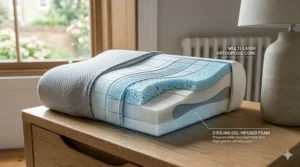
The UTTU Cervical Pillow earns its “sandwich” nickname from its clever removable foam layer system, allowing you to adjust both height and firmness to match your exact preferences. The standard dimensions are 60 cm × 35.5 cm with two height options (13.2 cm and 11.4 cm), achieved by adding or removing the middle foam insert. What most UK buyers find particularly useful is this adjustability when sharing a bed—you can start with the higher setting and dial it down if your partner complains about you being too elevated, or vice versa.
The contour design provides proper cervical support whilst the bamboo-derived pillowcase offers natural cooling properties and antimicrobial benefits. In the British climate where mould and mildew love to colonise anything damp, having an antimicrobial cover is genuinely practical rather than just a selling point. The memory foam is CertiPUR-US certified, and unlike some cheaper alternatives, it doesn’t emit a chemical smell that lingers for weeks—a quick 24-hour airing usually suffices.
What sets the UTTU apart in practice is its versatility across sleeping positions. The design works whether you’re a dedicated side sleeper, someone who shifts between back and side throughout the night, or even (with the lower height setting) a reformed stomach sleeper trying to transition to healthier positions. UK reviewers particularly mention its effectiveness for reducing neck strain from desk work—the pillow helps counteract that forward head posture many of us develop from staring at screens all day.
✅ Genuinely adjustable height via removable layers
✅ Bamboo-derived antimicrobial cover (British climate friendly)
✅ Works across multiple sleeping positions
❌ Takes time to find your ideal configuration
❌ Bamboo cover can feel slippery with some pillowcases
In the £35-£50 range, this offers premium features at a mid-range price—ideal for buyers who value customisation.
5. Tempur Original Pillow
The Tempur Original Pillow is what happens when NASA’s space programme technology meets civilian sleep problems, and whilst that sounds like marketing hyperbole, the material genuinely was developed for astronauts. The Tempur material responds to your body heat and weight, moulding precisely to your head and neck shape whilst providing firm support. This isn’t the squishy, sink-into-it feel of traditional memory foam—it’s supportive in a way that maintains spinal alignment without feeling like you’re sleeping on a block of wood.
For British buyers, the premium price (£90-£140 depending on size and sales) represents a significant investment, but the pillow comes with a three-year guarantee and typically lasts far longer. What you’re paying for is consistency; the Tempur material doesn’t lose its supportive properties over time like cheaper foams that compress and develop permanent dents. The medium firmness suits small to medium frames, and the ergonomic design specifically accommodates side and back sleepers.
The cream-coloured washable cover maintains a breathable sleep environment, and the pillow’s dimensions (61 cm × 31 cm × 10/7 cm) fit standard UK pillowcases without bunching. What UK reviewers consistently note is the pillow’s ability to reduce not just neck pain but also associated tension headaches and upper back discomfort. Several mentioned their physiotherapists specifically recommended Tempur after neck injuries or chronic pain issues.
The downside? It’s heavy compared to standard pillows, making it less ideal for frequent travellers. It’s also non-adjustable, so if the height doesn’t suit you, you’re rather stuck unless you want to purchase a different model in the Tempur range.
✅ NASA-developed material with proven longevity
✅ Three-year guarantee (most offer one year or less)
✅ Maintains supportive properties for years
❌ Premium price point (£90-£140)
❌ Non-adjustable—one fixed height and firmness
If you view your pillow as a long-term health investment rather than a consumable item, the Tempur justifies its cost through durability and consistent performance.
6. Ecosafeter 2026 Upgrade Memory Foam Pillow
The Ecosafeter 2026 Upgrade Memory Foam Pillow represents the newer generation of cervical pillows with what the manufacturer calls “superior comfort for neck shoulder pain sleeping”—admittedly vague marketing, but in practice, it delivers through high-density memory foam that provides orthopedic support without feeling like you’re sleeping on a brick. The 2026 upgrade specifically addresses complaints about older models being too firm, offering a softer rebound whilst maintaining structural support.
What makes this particularly suitable for British buyers is its performance in varying temperatures. Our bedrooms range from Baltic in winter (hovering around 14-16°C in unheated rooms) to uncomfortably warm in summer, and cheaper memory foam either goes rock-hard or loses all support depending on ambient temperature. The Ecosafeter maintains consistent support across this range, which is more valuable than it sounds when you’re trying to sleep comfortably year-round.
The cervical contour design accommodates back, side, and stomach sleepers, though like most orthopedic pillows, it works best for back and side positions. UK reviewers mention improved deep sleep quality, noting they wake less frequently during the night—a sign that their bodies aren’t constantly micro-adjusting to compensate for poor positioning. The pillow is OEKO-TEX certified and arrives vacuum-packed, taking 24-48 hours to fully expand.
✅ Consistent support across temperature ranges (British climate friendly)
✅ 2026 upgrade addresses firmness complaints
✅ Excellent for deep, uninterrupted sleep
❌ Generic branding (less established than Tempur or SISSEL)
❌ Limited user reviews compared to more established options
In the £30-£40 range, it’s a solid mid-range option for buyers wanting modern features without premium pricing.
7. MULISOFT Memory Foam Pillow
The MULISOFT Memory Foam Pillow rounds out our list as a dependable ergonomic side sleeper pillow that doesn’t try to be everything to everyone—it focuses on doing one thing well: supporting side sleepers properly. The grey colour is practical for British households (doesn’t show stains as readily as white), and the supportive neck design specifically addresses the common problem of side sleepers waking with shoulder and upper back pain.
What UK buyers appreciate about this model is its straightforward design without unnecessary bells and whistles. It’s a comfortable pillow with proper neck support that maintains its shape over time, which is honestly what most people need rather than adjustable layers and space-age materials. The memory foam moulds to your head and neck without feeling like you’re sinking into quicksand, and the breathable cover helps regulate temperature during sleep.
The pillow works particularly well for people transitioning from traditional pillows to cervical support—it’s not as dramatically contoured as some orthopedic options, making the adjustment period less jarring. Several UK reviewers mentioned their partners didn’t complain about the pillow’s appearance (unlike some more clinical-looking orthopedic pillows), which matters when bedroom aesthetics are a consideration.
At the budget end (£25-£38), the MULISOFT represents good value for side sleepers who don’t need extensive adjustability but want proper cervical support. It’s available through Amazon Prime, meaning next-day delivery for most UK addresses.
✅ Focused design for side sleepers
✅ Less clinical appearance than heavy-duty orthopedic pillows
✅ Good transitional pillow for first-time cervical pillow users
❌ Not ideal for dedicated back sleepers
❌ Limited adjustability
For side sleepers wanting a simple, effective solution without complexity, this delivers exactly what’s needed.
✨ Don’t Miss These Exclusive Deals!
🔍 Take your sleep quality to the next level with these carefully selected products. Click on any highlighted item to check current pricing and availability on Amazon.co.uk. These picks will help you find exactly what you need!
Real-World Usage Guide: Getting the Most from Your Posture Correcting Pillow
Buying a posture correcting pillow is rather like buying running shoes—purchasing them doesn’t automatically improve your posture any more than trainers make you fit. You need to use them properly, and there’s a transitional period whilst your body adapts.
The First Week: Expect Discomfort
Your neck muscles have spent years compensating for poor alignment. When you suddenly support them properly, they’ll protest. You might wake after the first few nights thinking you’ve made a terrible mistake—your neck feels different, possibly stiffer initially. This is normal. Your muscles are relearning their proper positions, and those first 5-7 days are an adjustment period. Persist through it.
Positioning Matters
For back sleepers: Your head should rest in the pillow’s central groove with the raised edges supporting your neck curve. If you feel like your chin is jutting upward, the pillow’s too high—remove a layer if adjustable, or try the lower side if it’s dual-height. For side sleepers: Position your head on the raised lateral section, ensuring your nose aligns with your spine’s centre. Your shoulder should fit into the pillow’s shoulder groove, not bunch up beneath it. The NHS recommends that a pillow should support your head and neck by filling in the natural hollow of the neck between your head and shoulders.
UK Climate Considerations
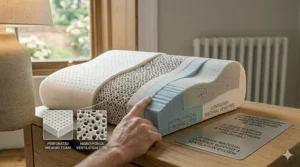
Memory foam performs differently in British bedrooms than in centrally heated American homes. In winter, if your bedroom drops below 16°C (common in unheated British homes), the foam may feel firmer initially—give it 10-15 minutes to warm from your body heat. In summer humidity, use a moisture-wicking pillowcase over the pillow’s cover to prevent that clammy feeling.
Maintenance Schedule
Weekly: Air the pillow by removing the cover and leaving it in a well-ventilated area for a few hours. Monthly: Wash the cover at 30-40°C (British washing machine standards). Quarterly: Check for foam degradation—press firmly on the pillow and release; it should return to shape within 5-10 seconds. If it doesn’t, the foam’s deteriorating and needs replacement.
Storage in Small Spaces
British homes often lack American-style storage space. These pillows are bulkier than traditional ones, so consider this before purchasing. They don’t compress well for storage without damaging the foam structure, so if you live in a studio flat or have limited bedroom storage, factor in that this pillow will occupy permanent bed space.

Case Studies: Matching Pillows to Real UK Users
Profile 1: Sarah, 34, London Commuter
Sarah spends two hours daily on the Tube and eight hours at a desk job, developing significant forward head posture. She’s a side sleeper who wakes with shoulder pain three mornings weekly. Her budget is around £40, and she needs Prime delivery to her Zone 3 flat.
Best Match: Elviros Cervical Memory Foam Pillow
The four adjustable heights let Sarah experiment to find her sweet spot, and the shoulder groove specifically addresses her lateral sleeping needs. The ice silk pillowcase handles her overheated bedroom during summer Tube strikes when she can’t open windows due to noise. At £30-£45, it fits her budget with room for a waterproof pillow protector.
Profile 2: James, 58, Manchester Suburb
James has mild arthritis and chronic neck pain from years of manual work. He’s a back sleeper who prefers firmer support and values quality over bargain prices. He’s willing to spend up to £140 for something that genuinely works and won’t need replacing annually.
Best Match: Tempur Original Pillow
The NASA-developed material provides consistent firm support without pressure points, and the three-year guarantee offers peace of mind. His wife can use his current pillow, so the higher investment isn’t wasted. The pillow’s proven longevity means it’ll likely outlast three cheaper alternatives, making the per-year cost reasonable.
Profile 3: Emma, 27, Edinburgh Flat Share
Emma switches between back and side sleeping throughout the night, has a limited budget (£30 maximum), and shares a bedroom with a partner who complains about clinical-looking orthopedic equipment.
Best Match: MULISOFT Memory Foam Pillow
At £25-£38, it fits her tight budget whilst providing genuine cervical support. The less clinical grey design won’t offend her aesthetically minded partner, and its gentle contouring accommodates her position changes without forcing her into one sleeping style. Being Prime-eligible means she can try it risk-free under Amazon’s return policy.
How to Choose a Posture Correcting Pillow in the UK
1. Identify Your Primary Sleep Position
Don’t guess—ask your partner or set up a phone camera on timelapse for one night. You might think you’re a back sleeper but actually spend 70% of the night on your side. Side sleepers need higher loft (10-13 cm), back sleepers need moderate (8-10 cm), and stomach sleepers (ideally transitioning away from this position) need minimal loft (under 6 cm).
2. Consider Your Body Frame
If you’re under 5’4″ or over 5’11”, standard cervical pillows may not suit your proportions. Look for adjustable models like the UTTU or Elviros that let you customise height. Broader-shouldered individuals (common in men and athletic women) need pillows with deeper shoulder grooves to prevent bunching. Understanding your cervical vertebrae anatomy helps explain why proper pillow support matters—these seven small vertebrae in your neck support your head’s weight whilst allowing extensive mobility, making them vulnerable to strain from poor positioning.
3. Assess Your Climate Control
Live in a draughty Victorian terrace with single-glazing? Memory foam that goes rock-hard in cold temperatures will frustrate you nightly. Look for specifications mentioning consistent performance across temperature ranges, or opt for higher-density foams less affected by ambient temperature.
4. Match Firmness to Your Needs
Active neck pain sufferers often benefit from firmer support (SISSEL, Tempur), whilst those preventatively addressing posture prefer moderate firmness (Elviros, UTTU). If you’ve never used an orthopedic pillow, start with moderate—jumping straight to firm support can be jarring.
5. Budget Realistically for Quality
In the UK market, effective posture correcting pillows start around £25. Below that, you’re typically getting rebranded generic imports with inconsistent foam quality. The £30-£50 range offers the best value-to-quality ratio for most buyers. Premium options (£90+) suit those with specific medical needs or who want maximum longevity.
6. Verify UK Compatibility
Check the pillow dimensions fit standard UK pillowcases (most are 50 cm × 75 cm or 48 cm × 74 cm). Imported models sometimes use US dimensions, leaving you hunting for oversized cases. Also confirm the pillow ships from UK warehouses—Brexit has complicated returns of EU-shipped items for some buyers.
7. Read the Fine Print on Certifications
OEKO-TEX and CertiPUR-US certifications matter more than marketing fluff. They guarantee the foam doesn’t contain harmful chemicals—rather important when you’re breathing close to it for eight hours nightly. These certifications are independently verified, unlike vague claims about “premium materials.”
Common Mistakes When Buying Posture Correcting Pillows
Mistake #1: Expecting Instant Results
The most common complaint in one-star reviews is “tried it one night, neck hurt more, returned it.” Your body needs 7-14 days to adapt to proper alignment after years of poor positioning. Returning a pillow after one uncomfortable night is like judging a new exercise routine after a single session where you’re sore.
Mistake #2: Ignoring Mattress Compatibility
A posture correcting pillow can’t fix what a sagging mattress ruins. If your mattress dips in the middle or is over eight years old, even the best cervical pillow won’t deliver full benefits. The pillow and mattress must work together to maintain spinal alignment—one can’t compensate for the other’s failings.
Mistake #3: Choosing Based Solely on Height
Taller individuals assume they need higher pillows, but sleep position matters more than height. A 6’2″ back sleeper needs less loft than a 5’4″ side sleeper. Consider your shoulder width and sleeping position before your overall height.
Mistake #4: Buying Without Checking Return Policies
Not every cervical pillow suits every person, regardless of reviews. Amazon’s return policy (typically 30 days) is crucial for trying these products risk-free. Some sellers restrict returns on opened pillows due to hygiene reasons—verify the policy before purchasing.
Mistake #5: Overlooking Cover Quality
The pillow cover faces your skin and absorbs sweat, oils, and dead skin cells nightly. Cheap covers pill within weeks, lose their cooling properties, and may shrink when washed. A quality cover (bamboo-derived, breathable, machine-washable) extends the pillow’s functional lifespan significantly.
Mistake #6: Assuming More Expensive Equals Better
The Tempur is excellent, but it’s not automatically better for everyone than a £35 Elviros. Premium price often reflects brand reputation and longevity rather than superior posture correction. A well-designed £30 pillow can outperform a poorly chosen £100 option if it better matches your specific needs.
Mistake #7: Neglecting UK-Specific Needs
Buying a pillow designed for American homes with consistent central heating, then wondering why it feels different in your British bedroom ranging from 14°C to 24°C seasonally, is a recipe for disappointment. Prioritise pillows with consistent temperature performance.
What to Expect: Real-World Performance in British Conditions
The First Month
Week 1: Adjustment period—your neck may feel different (not necessarily better). Your body is recalibrating after years of poor alignment. Expect some initial stiffness as muscles learn new positioning.
Week 2-3: Most users report reduced morning stiffness and fewer headaches. You’ll notice you’re waking less frequently during the night—a sign your body isn’t constantly micro-adjusting to compensate for poor support. Research published in PLOS ONE examining sleep posture found that proper sleeping positions significantly reduce waking spinal symptoms and improve overall sleep quality.
Week 4: The pillow should feel natural now. You’ll likely notice improved daytime posture as your cervical spine maintains better alignment unconsciously.
Seasonal Performance
British Summer (18-25°C bedroom temps): Memory foam performs optimally. Cooling pillowcases earn their keep during humid spells. If you sleep with windows open (noise and pollen permitting), the breathability of covers like bamboo-derived fabrics makes a genuine difference.
British Winter (12-16°C bedroom temps): Cheaper memory foam may feel firmer initially, requiring 10-15 minutes of body heat to soften properly. Higher-quality foams (Tempur, SISSEL) maintain consistent feel regardless of temperature. If you’re in an old British home with draughty windows, position the pillow away from direct cold air flows—foam doesn’t respond well to localised cold spots.
Longevity Expectations
Budget range (£25-£35): Expect 12-18 months before foam loses rebound properties. Still usable but support degrades.
Mid-range (£35-£60): 2-3 years of consistent performance with proper care.
Premium (£90+): 4-5 years minimum, often longer with the Tempur potentially lasting 7-10 years.
Factor in that British humidity accelerates foam degradation compared to drier climates—budget an extra £1-2 monthly for a waterproof pillow protector to extend lifespan.
Maintenance in British Homes
Mould and mildew love our damp climate. Air your pillow weekly by removing the cover and standing it on its side near (not directly in front of) a radiator or in a well-ventilated room. Never store these pillows in cold, damp spaces like unheated spare rooms or garden sheds—the foam will degrade rapidly. If you live in an especially damp area (coastal regions, stone cottages), consider using a dehumidifier in your bedroom to protect both pillow and mattress.
Long-Term Cost & Value Analysis in the UK
Total Cost of Ownership (3-Year Projection)
Budget Option (Hydomi £30):
Initial cost: £30
Replacement every 18 months: £30
Waterproof protector: £10
Pillowcase replacements: £15
3-year total: £85
Per-year cost: £28.33
Mid-Range Option (Elviros £40):
Initial cost: £40
Replacement at 2.5 years: £40
Waterproof protector: £10
Pillowcase replacements: £15
3-year total: £105
Per-year cost: £35
Premium Option (Tempur £120):
Initial cost: £120
No replacement needed within 3 years
Waterproof protector: £15 (higher quality)
Pillowcase replacements: £20
3-year total: £155
Per-year cost: £51.67
Value Analysis:
The Tempur costs £23.34 more annually than the Hydomi but requires no replacement hassle, maintains consistent support throughout, and often outlasts the three-year projection. For chronic neck pain sufferers, this translates to fewer physiotherapy sessions (£40-£60 per session in the UK) and reduced over-the-counter pain medication (£5-£15 monthly).
If a quality pillow prevents just three physio visits annually, it pays for itself. Many UK buyers don’t consider these secondary costs when choosing the cheapest option, then spend far more addressing the symptoms of inadequate support.
Running Costs:
Electricity (UK): Negligible—no powered components
Cleaning: £0.50 per wash (30°C cycle, UK average)
Pillow protector: £8-£15 (replace annually)
Pillowcases: £5-£10 each (may need two for rotation)
Hidden Costs to Consider:
Osteopathy/physiotherapy sessions avoided: £40-£60 per session
Pain medication reduced: £5-£15 monthly
Improved sleep quality leading to better daytime productivity: Unquantifiable but significant
Reduced sick days from tension headaches: Average UK worker takes 4.4 sick days yearly—even reducing this by one day saves your employer money and saves you hassle.
According to research from spine health organisations, proper sleeping posture can reduce neck pain incidents by up to 60% over six months. When you calculate the cost of a quality pillow against the expense and disruption of chronic neck problems, even premium options represent sensible preventative healthcare spending.
UK Regulations, Safety Standards & Legal Requirements
Unlike many consumer products, pillows in the UK aren’t heavily regulated beyond general consumer protection laws and safety standards. However, understanding what certifications and standards matter helps you make informed choices.
UKCA Marking (Post-Brexit)
Since January 2023, products sold in Great Britain may require UKCA (UK Conformity Assessed) marking instead of CE marking. For pillows, this primarily applies to fire safety standards for furniture and furnishings. Reputable sellers on Amazon.co.uk ensure compliance with UK safety regulations. If purchasing from EU sellers, check whether the product carries appropriate UK certification for sale in Britain.
British Standard BS 7177
This standard covers fire resistance of mattresses, divans, and bed bases used in the UK. Whilst pillows aren’t explicitly covered, manufacturers often ensure their products comply with general furniture fire safety standards. Memory foam is inherently fire-resistant compared to traditional pillow fillings, but check product specifications mention compliance with UK fire safety requirements.
Consumer Rights Act 2015
This protects UK buyers purchasing online. You have 14 days to return items for any reason (not just faults) under Distance Selling Regulations. For pillows, ensure the seller accepts returns of opened products—some restrict this for hygiene reasons. Amazon’s A-to-Z Guarantee provides additional protection beyond statutory requirements.
OEKO-TEX STANDARD 100 Certification
This independently verified certification tests textiles for over 1,000 regulated and unregulated harmful chemicals. For products in direct skin contact (like pillow covers), it ensures materials won’t cause allergic reactions or health issues. Look for this certification on both the pillow cover and foam core—it’s more rigorous than vague “hypoallergenic” marketing claims.
CertiPUR-US Certification
Whilst an American certification, it’s recognised globally and confirms memory foam is manufactured without harmful chemicals like ozone depleters, mercury, lead, formaldehyde, or phthalates. It also limits VOC (volatile organic compound) emissions, which cause that “new foam smell” some buyers find objectionable. This certification matters more for products you breathe near for eight hours nightly.
Allergen Information Requirements
Under UK regulations, sellers must disclose materials that commonly cause allergies. Memory foam itself is generally hypoallergenic, but covers may contain materials triggering reactions in sensitive individuals. If you have latex allergies, verify the pillow contains no latex components—some manufacturers blend latex foam with memory foam.
Warranty and Guarantee Rights
Beyond statutory rights, many manufacturers offer guarantees (typically 1-3 years). These cover manufacturing defects but not normal wear and tear. The Tempur’s three-year guarantee is notably generous. Under UK law, even without a manufacturer guarantee, products must be of satisfactory quality and last a reasonable time—relevant if expensive pillows fail prematurely.
Data Protection (If Buying Direct)
If purchasing from manufacturer websites rather than Amazon, verify they comply with UK GDPR and Data Protection Act 2018. Reputable UK businesses display privacy policies explaining how they handle your personal data. This matters less for Amazon purchases where Amazon handles data, but it’s relevant for direct-from-manufacturer purchases.
Frequently Asked Questions
❓ Do posture correcting pillows actually work for long-term pain relief?
❓ How long does it take to adjust to a posture correcting pillow?
❓ Can I use my regular pillowcase with a cervical pillow?
❓ Are posture correcting pillows suitable for side sleepers in the UK?
❓ Will a posture correcting pillow help with snoring?
Conclusion: Investing in Better Sleep and Healthier Posture
Choosing a posture correcting pillow isn’t about finding the most expensive option or the one with the cleverest marketing—it’s about matching your specific sleep style, body type, and budget to a pillow engineered to maintain neutral spine alignment throughout the night. Whether you’re a London commuter battling desk-induced forward head posture, a Manchester tradesperson with chronic neck pain from physical work, or simply someone who wakes too often with that familiar morning stiffness, the right cervical pillow makes a measurable difference.
For most UK buyers, the sweet spot sits between £30-£50 where you’ll find models like the Elviros Cervical Memory Foam Pillow and UTTU Sandwich Pillow offering adjustability, quality materials, and proven effectiveness without premium pricing. Budget-conscious buyers will find the Hydomi Orthopaedic Pillow delivers genuine cervical support under £35, whilst those viewing sleep equipment as long-term health investment can justify the Tempur Original Pillow‘s £90-£140 cost through superior longevity and consistent performance.
Remember that even the finest pillow can’t compensate for a sagging mattress, poor daytime posture, or underlying medical conditions requiring professional attention. Use your cervical pillow as part of a broader approach to spinal health that includes regular movement breaks during desk work, proper workstation ergonomics, and consultation with healthcare professionals when pain persists despite good sleep equipment.
The British climate presents unique challenges for memory foam products—temperature fluctuations, humidity, and damp conditions that accelerate foam degradation in cheaper models. Prioritise pillows with OEKO-TEX certification, breathable covers, and consistent temperature performance to ensure your investment lasts beyond a single season. And yes, the adjustment period is real—expect 7-14 days of feeling different (not necessarily better) as your body recalibrates to proper alignment after years of poor positioning.
Ultimately, you spend roughly a third of your life unconscious with your head on a pillow. Making that pillow one that actively supports your spine rather than passively cushioning your head is among the simpler investments in preventative healthcare. Your morning self will thank you for it—or at the very least, won’t greet you with that familiar stiff neck and tension headache that’s become an unwelcome part of your daily routine.
Recommended for You
- 7 Best Pillow Herniated Disc UK 2026
- Best Back Support Pillow Side Sleeper UK 2026 – Top 7 Picks
- Best Pillow for Spinal Alignment Sleeping UK 2026
Disclaimer: This article contains affiliate links. As an Amazon Associate, I earn from qualifying purchases. If you purchase products through these links, we may earn a small commission at no additional cost to you.
✨ Found this helpful? Share it with your mates! 💬🤗
