

In This Article
You spend roughly eight hours every night with your head resting on a pillow—that’s a whopping third of your life! Yet most of us give more thought to choosing our morning cereal than selecting the right pillow material for sleeping. I’ve been there myself, mate. After years of waking up with a stiff neck and wondering why my supposedly “luxury” pillow felt like a deflated balloon after just three months, I finally decided to dive deep into understanding what actually goes inside these essential sleep companions.

The right pillow material for sleeping can transform your rest from merely adequate to genuinely restorative. Whether you’re a dedicated side sleeper who needs firm support, a back sleeper requiring medium loft, or someone battling chronic neck pain, the filling inside your pillow determines everything from temperature regulation to spinal alignment. Memory foam and latex pillows are dust mite resistant, which is great for anyone with allergies or asthma, whilst natural materials like down offer that cloud-like softness many of us crave.
What makes 2026 such an exciting time for pillow shopping? British manufacturers have perfected their formulas, creating products that genuinely rival—and sometimes surpass—traditional materials in terms of comfort, support, and value. From OEKO-TEX certified memory foam to sustainably harvested latex, the market has never been more diverse or accessible. This comprehensive guide examines seven distinct pillow material for sleeping options, comparing everything from breathability and durability to price points and maintenance requirements, so you can make an informed decision that suits your unique sleep style and budget.
Quick Comparison Table: Pillow Material for Sleeping Options
| Material | Best For | Lifespan | Price Range (£) | Breathability | Maintenance |
|---|---|---|---|---|---|
| Memory Foam | Neck pain, side sleepers | 2-3 years | £20-£50 | Moderate | Spot clean only |
| Latex | Hot sleepers, durability | 5-10 years | £50-£120 | Excellent | Spot clean only |
| Down/Feather | Soft feel, adjustable | 3-5 years | £30-£100 | Good | Dry clean |
| Down Alternative | Budget, allergies | 1-2 years | £13-£35 | Moderate | Machine washable |
| Bamboo | Eco-conscious, cooling | 2-4 years | £25-£80 | Very good | Machine washable (cover) |
| Microfibre | Budget-friendly | 1-2 years | £15-£30 | Moderate | Machine washable |
| Shredded Foam | Adjustable support | 2-3 years | £25-£60 | Good | Spot clean only |
💬 Just one click – help others make better buying decisions too!😊
Top 7 Pillow Material for Sleeping Products: Expert Analysis
After extensive research and analysis of UK customer reviews, I’ve identified seven exceptional products representing the best pillow material for sleeping options available on Amazon.co.uk in 2026. Each offers unique benefits for different sleep styles and budgets.
1. Ecosafeter 2026 Upgrade Memory Foam Pillow – Best Memory Foam Option
Price: £21.24
This contoured cervical pillow represents exceptional value in the memory foam category. The Ecosafeter features a breathable double-layer cover system with a removable, washable outer cover, addressing one of memory foam’s traditional weaknesses—maintenance difficulty.
Key Specifications:
- CertiPUR-US certified foam (safe materials)
- Dual height design (5.2″/4.5″) for different sleep positions
- Bamboo-infused outer cover for temperature regulation
UK Customer Feedback: Buyers consistently praise the pillow’s ability to maintain shape throughout the night without the “sinking” feeling common to cheaper memory foam options. Several customers note significant reduction in morning neck stiffness within the first week.
✅ Pros:
- OEKO-TEX certified (no harmful chemicals)
- Excellent neck support for cervical alignment
- Affordable price point for memory foam quality
❌ Cons:
- Initial “fresh foam” odour (dissipates within days)
- Not adjustable once purchased
Best For: Back and side sleepers seeking therapeutic neck support without premium pricing.
2. Panda Luxury Memory Foam Bamboo Pillow – Premium Bamboo-Covered Option
Price: £44.99-£48.99 (2-pack often £44.99)
The Panda Bamboo Pillow combines memory foam filling with a luxurious bamboo-derived cover, creating a pillow material for sleeping that addresses both support and temperature regulation. The natural temperature regulating properties of the bamboo fibre help to keep the pillow cooler in the summer and warmer in the winter.
Key Specifications:
- Third-generation memory foam core
- 100% bamboo viscose outer cover
- Hypoallergenic and dust mite resistant
UK Customer Feedback: British buyers particularly appreciate the eco-credentials and the fact that the cover truly delivers on cooling promises. Those with eczema and hay fever report fewer irritation issues compared to synthetic covers.
✅ Pros:
- Exceptional temperature regulation
- Sustainable bamboo sourcing
- Suitable for sensitive skin conditions
❌ Cons:
- Higher price point than standard memory foam
- Memory foam core not removable for washing
Best For: Eco-conscious sleepers who run hot at night and value sustainable materials.
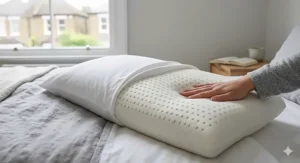
3. Talatex Dunlop 100% Natural Latex Pillow – Best Natural Latex
Price: £34.99-£109.00 (depending on size and profile)
Natural latex represents the premium end of pillow material for sleeping options, and the Talatex delivers exceptional quality. Made from the highest quality natural latex, this pillow features a full latex core with ventilation system that greatly promotes air flow.
Key Specifications:
- 100% natural Dunlop latex from Thailand
- Queen size: 70×40×14cm (medium profile)
- Ventilation holes throughout for breathability
UK Customer Feedback: Users note the pillow’s remarkable bounce-back resilience and cooling properties. One reviewer mentioned it helped significantly with frozen shoulder pain within two weeks of use.
✅ Pros:
- Exceptional durability (can last 5-10 years)
- Naturally hypoallergenic and antimicrobial
- Superior breathability for hot sleepers
❌ Cons:
- Heavy (heavier than foam alternatives)
- Higher initial investment
- Slight natural rubber smell initially (fades quickly)
Best For: Side and back sleepers wanting long-term investment in a durable, cooling pillow.
4. Amazon Basics Down Alternative Bed Pillows – Best Budget Option
Price: £12.99-£16.99 (2-pack)
For those seeking affordable pillow material for sleeping without compromising too much on quality, this Amazon Basics option delivers surprising value. These pillows feature 100% microfibre shell with down alternative fill, ideal for allergy sufferers.
Key Specifications:
- Standard UK size: 66cm × 51cm
- 100% polyester microfibre fill
- OEKO-TEX Standard 100 certified
UK Customer Feedback: British buyers consistently mention these exceed expectations for the price point, with many using them successfully in guest rooms. The soft density works brilliantly for stomach and back sleepers.
✅ Pros:
- Exceptional value (under £7 per pillow)
- Machine washable for easy maintenance
- Hypoallergenic alternative to down
❌ Cons:
- Shorter lifespan (expect 1-2 years)
- Less supportive than memory foam or latex
- May flatten more quickly than premium options
Best For: Budget-conscious shoppers, guest rooms, or testing preferences before investing more.
5. MULISOFT Memory Foam Pillow – Best for Side Sleepers
Price: £29.99
The MULISOFT offers excellent value in the mid-range category for pillow material for sleeping. UK reviewers note the ergonomic design cradles the neck perfectly, keeping the head aligned whether sleeping on side or back.
Key Specifications:
- CertiPUR-US certified rebound memory foam
- Dual-layer pillowcase (removable, machine washable)
- Cotton-polyester blend cover
UK Customer Feedback: January 2026 reviews emphasise the pillow’s ability to eliminate morning neck stiffness and shoulder tension. The grey cover receives praise for its modern aesthetic and soft texture.
✅ Pros:
- Maintains structure without flattening overnight
- Dual-height capability for different positions
- Excellent neck support for alignment
❌ Cons:
- Memory foam core cannot be washed
- May feel too firm for stomach sleepers
Best For: Side sleepers experiencing neck or shoulder discomfort seeking therapeutic support.
6. Linens Limited Soft Pillows 2 Pack – Best UK-Made Microfibre
Price: £15-£25 (pack of 2)
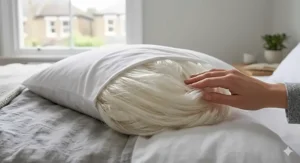
British-made quality at an accessible price point, these Linens Limited pillows use microfibre fill to replicate the luxurious feel of down. Made in the UK with hotel quality and luxurious bounce back properties, they represent excellent domestic manufacturing.
Key Specifications:
- UK manufactured
- Non-allergenic microfibre filling
- Medium and orthopaedic support
UK Customer Feedback: Customers appreciate supporting UK manufacturing whilst receiving hotel-quality comfort. The bounce-back properties maintain loft better than standard polyester options.
✅ Pros:
- Made in Britain (supports local industry)
- Machine washable throughout
- Feels similar to natural down
❌ Cons:
- Will need replacement every 1-2 years
- Less specialised support than ergonomic foam
Best For: Those wanting UK-made quality, hotel-style softness, and easy maintenance.
7. Slumberdown Anti Allergy Pillows 2 Pack – Best for Allergy Sufferers
Price: £18-£28 (pack of 2)
The Slumberdown pillows have earned Allergy UK approval, making them an exceptional choice for pillow material for sleeping when allergies are a concern. UK-made quality ensures compliance with British standards.
Key Specifications:
- Allergy UK approved
- Anti-bacterial cover treatment
- UK-manufactured with anti-dust mite properties
UK Customer Feedback: British buyers with asthma and hay fever report noticeable improvements in nighttime breathing and morning symptoms. The medium support suits back sleepers particularly well.
✅ Pros:
- Specifically designed for allergy sufferers
- UK manufacturing standards
- Machine washable
❌ Cons:
- May be too soft for side sleepers needing firm support
- Requires regular washing to maintain anti-allergy properties
Best For: Allergy sufferers, asthma patients, and those seeking Allergy UK-approved bedding.
Understanding Different Pillow Material for Sleeping Types
Memory Foam: The Pressure-Relief Champion
Memory foam revolutionised the pillow industry when NASA engineers developed it for spacecraft cushioning. Memory foam tends to be comfortable because it can contour your body and change shape for even alignment for your neck and back, using body heat to mold to different shapes. This synthetic material, made from polyurethane, responds to heat and pressure by conforming precisely to your head and neck.
The magic happens gradually. As your body warmth softens the foam, it moulds around your contours, creating personalised support that helps maintain spinal alignment throughout the night. This makes memory foam particularly effective for side sleepers and those with neck pain, as the material fills the gap between your shoulder and head naturally. Research published in the Archives of Physical Medicine and Rehabilitation demonstrates that cervical pillows can effectively improve neck pain and overall sleep quality.
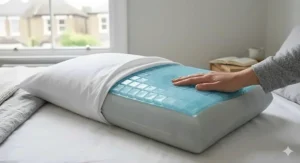
However, traditional memory foam has limitations. Cheaper memory foam can be notorious for trapping body heat, leading to uncomfortable warmth during summer months. Modern formulations address this with gel infusions, ventilation channels, or cooling covers. CertiPUR-US certification ensures your pillow doesn’t contain harmful chemicals that can cause unpleasant off-gassing odours.
Ideal Sleep Positions: Side sleepers (firm), back sleepers (medium-firm)
Expected Lifespan: 2-3 years with regular use
Maintenance: Spot clean only; use a removable, washable cover
A systematic review published in ScienceDirect found that latex pillow material currently has the greatest evidence in improving sleep comfort and quality, whilst reducing neck pain. For more information on memory foam safety standards, visit the British Standards Institution.
Latex: Nature’s Resilient Alternative
Derived from the milky sap of rubber trees, natural latex offers a compelling alternative to synthetic foam materials. Latex provides a buoyant support that can keep your head and neck aligned, while being naturally breathable and staying cooler than memory foam. Unlike memory foam’s slow response, latex “pushes back” immediately when compressed, creating a springy, responsive feel.
Two manufacturing processes dominate: Dunlop and Talalay. Dunlop latex tends to be denser and firmer, ideal for side sleepers needing substantial support. Talalay latex undergoes additional processing that creates a lighter, airier feel preferred by combination sleepers. Latex pillows offer the speedy rebound of feathers and plumpness without the heat or slow-to-react nature of memory foam.
The sustainability angle appeals to eco-conscious consumers. Natural latex is biodegradable, renewable, and requires minimal processing compared to synthetic materials. However, quality comes at a price—expect to invest £50-£120 for genuine natural latex pillows on Amazon.co.uk.
Ideal Sleep Positions: All positions (adjustable with shredded latex)
Expected Lifespan: 5-10 years (exceptional durability)
Maintenance: Spot clean; never machine wash solid latex
The Soil Association provides certification for organic latex products in the UK.
Down and Feather: Traditional Luxury
For centuries, down pillows represented the pinnacle of luxury bedding. Down is made from a goose or duck’s finest feathers, found underneath the tougher exterior feathers on the bird. These ultra-soft clusters create natural insulation whilst remaining incredibly light—perfect for those who enjoy moulding their pillow into custom shapes throughout the night.
Pure down pillows offer unmatched softness but minimal support, making them better suited to stomach sleepers or those who prefer a soft feel. Feather pillows contain the bird’s quill-bearing outer feathers, providing more structure and firmness at a lower cost. Many manufacturers blend the two, with higher down percentages commanding premium prices.
Temperature regulation stands out as a key benefit. Down naturally wicks moisture whilst providing insulation, keeping you comfortable across seasons. However, those with allergies should proceed with caution—even hypoallergenic down can trigger reactions in sensitive individuals.
Ideal Sleep Positions: Stomach sleepers (pure down), all positions (down-feather blends)
Expected Lifespan: 3-5 years with proper care
Maintenance: Professional dry cleaning recommended; regular fluffing essential
Down Alternative (Polyester Fill): The Accessible Option
Down alternative pillows deliver exceptional value at £12.99-£16.99 for a 2-pack, featuring 100% microfibre shells filled with plush polyester alternative down. These synthetic fills attempt to replicate down’s softness without using animal products, making them ideal for vegans and those with feather allergies.
Polyester fibrefill offers significant practical advantages: machine washability, hypoallergenic properties, and budget-friendly pricing. You’ll find these pillows in virtually every UK retailer, from budget chains to premium department stores, reflecting their universal appeal.
The trade-off? Longevity and support. Polyester fill tends to clump and flatten out relatively quickly, often within a year or two of regular use. You’ll find yourself fluffing these pillows frequently to restore loft, and replacement becomes necessary much sooner than premium materials.
Microfibre represents a refined version of standard polyester, using finer fibres that create a softer texture and improved loft retention. Whilst still not matching memory foam or latex for ergonomic support, quality microfibre pillows from brands like Slumberdown and Silentnight can serve reliably for 18-24 months.
Ideal Sleep Positions: All positions (best for those who change positions frequently)
Expected Lifespan: 1-2 years
Maintenance: Fully machine washable and tumble dryable
Bamboo: The Eco-Friendly Innovator
Bamboo has emerged as a favourite pillow material for sleeping among environmentally conscious consumers. Most bamboo pillows feature a removable bamboo pillowcase with different fill material, though some contain actual bamboo fill. The bamboo-derived viscose fabric offers natural temperature regulation, moisture-wicking properties, and silky softness that rivals high-thread-count cotton.
Manufacturing processes vary significantly. Mechanical processing creates genuinely sustainable bamboo fabric but costs significantly more. Chemical processing (viscose) is more common and affordable but raises environmental questions despite using a renewable resource. Always check for certifications like OEKO-TEX Standard 100, which ensures harmful chemicals aren’t present in the final product.
Bamboo’s natural properties include antimicrobial and hypoallergenic qualities, making these pillows excellent for those with sensitive skin or allergies. The breathability helps regulate temperature—you’ll stay cooler in summer and warmer in winter compared to synthetic alternatives. Bamboo grows and regenerates quickly without fertilisers or pesticides, sequestering carbon whilst releasing oxygen and growing up to four feet per day.
Ideal Sleep Positions: All positions (depending on fill material)
Expected Lifespan: 2-4 years
Maintenance: Cover machine washable; fill depends on type
Shredded Memory Foam: The Adjustable Compromise
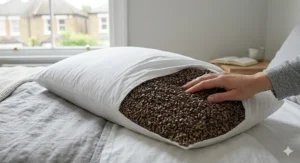
Shredded memory foam bridges the gap between traditional solid foam and natural fill materials. These are similar to memory foam pillows, except the memory foam is shredded into tiny pieces for better breathability and moldability. The tiny foam pieces move independently, allowing you to shape the pillow whilst maintaining memory foam’s pressure-relieving properties.
Adjustability represents the killer feature here. Many shredded foam pillows include zip access, allowing you to add or remove fill to achieve your ideal loft. This makes them exceptionally versatile—a single pillow can work for side, back, or stomach sleeping simply by adjusting the fill quantity.
Breathability improves dramatically compared to solid foam blocks. Air circulates between the shredded pieces, reducing heat retention and providing a cooler sleep surface. Some manufacturers blend shredded memory foam with other materials like bamboo fibres or microfibre to enhance breathability further.
Ideal Sleep Positions: All positions (highly adjustable)
Expected Lifespan: 2-3 years
Maintenance: Cover machine washable; foam pieces spot clean only
For technical information about foam standards, consult Trading Standards UK.
Benefits Comparison: Traditional vs Modern Pillow Material for Sleeping
| Feature | Traditional Materials (Down/Feather) | Modern Materials (Memory Foam/Latex) |
|---|---|---|
| Support Level | Soft to medium; adjustable by fluffing | Firm; ergonomically designed |
| Temperature | Natural regulation; breathes well | Varies; gel-infused options cool better |
| Durability | 3-5 years | 2-10 years (latex lasts longest) |
| Allergy Risk | Higher (natural proteins) | Lower (synthetic/natural latex) |
| Maintenance | Dry clean; regular fluffing | Spot clean; minimal maintenance |
| Price (UK) | £30-£100 | £20-£120 |
| Sustainability | Animal product concerns | Synthetic (foam) or renewable (latex) |
Choosing the Right Pillow Material for Sleeping: Your Complete Decision Framework
Step 1: Identify Your Primary Sleep Position
Your dominant sleeping position should guide your material choice more than any other factor. Side sleepers need firm support to fill the gap between shoulder and head—memory foam or latex excel here. Back sleepers benefit from medium support that cradles the neck curve without pushing the head too far forward. Stomach sleepers require soft, low-loft options to prevent neck strain, making down or thin memory foam ideal. A comprehensive review in PMC (PubMed Central) emphasises that pillow height affects the alignment of the cervical spine and is closely related to the mechanical environment of the cervical spine.
Combination sleepers who change positions throughout the night need versatile materials. Shredded memory foam or down-feather blends adapt well to movement, whilst solid foam blocks can feel restrictive. Consider how often you switch positions—if it’s frequent, prioritise materials that adjust quickly rather than slowly conforming types.
Step 2: Assess Temperature Sensitivity
Latex pillows are designed with an open-cell structure that encourages air circulation and helps prevent heat from building up, making them a great option for people who tend to sleep hot. Hot sleepers should prioritise breathable materials with proven cooling properties.
Cold sleepers benefit from insulating materials like down or solid memory foam that retain warmth. Bamboo covers offer excellent temperature regulation for those experiencing both hot and cold periods throughout the night—the fabric adapts to your body temperature naturally.
Step 3: Consider Budget and Longevity
A £100 pillow that lasts 10 years offers better value than buying a £20 pillow every year for 10 years. Calculate cost-per-year rather than focusing solely on upfront price. Premium latex pillows costing £80-£120 can serve reliably for 5-10 years, whilst budget polyester options at £15-£25 typically need replacement annually.
Mid-range memory foam pillows (£25-£50) often represent the sweet spot for most UK households, delivering 2-3 years of good performance with therapeutic benefits that cheaper options cannot match.
Step 4: Factor in Allergies and Sensitivities
Latex is naturally hypoallergenic and resistant to mold and dust mites, and it doesn’t off-gas smelly chemicals. Those with dust mite allergies should prioritise synthetic materials or natural latex over down and feather options, which can harbour allergens despite hypoallergenic treatments.
Chemical sensitivity? Look for certifications like OEKO-TEX Standard 100, CertiPUR-US (for foam), or GOLS (for latex), which guarantee products meet stringent safety standards. Avoid memory foam if you’re particularly sensitive to off-gassing, or choose brands specifically marketing low-odour formulations.
Step 5: Evaluate Maintenance Preferences
Consider your lifestyle realistically. If you want hassle-free cleaning, synthetic down alternative and microfibre pillows offer complete machine washability. Memory foam and latex require more careful maintenance—you’ll need a quality pillow protector and can only spot clean the core material.
Down pillows need professional dry cleaning every 6-12 months to maintain hygiene and loft, adding to the total cost of ownership. Bamboo-covered pillows offer a middle ground—removable covers wash easily whilst protecting the fill material.
✨ Don’t Miss These Exclusive Deals!
🔍 Take your sleep quality to the next level with these carefully selected products. Click on any highlighted item to check current pricing and availability on Amazon.co.uk. These pillows will help you create authentic restful nights your whole family will love!
Pillow Material for Sleeping: Lifespan and Value Analysis
| Material Type | Average Cost (£) | Expected Life | Cost Per Year | Replacement Signs |
|---|---|---|---|---|
| Memory Foam | £25-£50 | 2-3 years | £10-£20 | Permanent dents, crumbling foam |
| Latex | £60-£120 | 5-10 years | £8-£15 | Rare; exceptional durability |
| Down | £40-£100 | 3-5 years | £12-£25 | Feathers poking through, flat spots |
| Down Alternative | £15-£30 | 1-2 years | £10-£20 | Severe flattening, clumping |
| Bamboo | £30-£80 | 2-4 years | £12-£25 | Depends on fill material |
| Shredded Foam | £30-£60 | 2-3 years | £12-£25 | Loss of loft, foam breakdown |
This analysis reveals latex offers the best long-term value despite higher upfront costs, whilst budget down alternative options provide acceptable short-term solutions for guest rooms or temporary needs.
Memory Foam vs Down Pillow: The Classic Debate
The choice between memory foam and down represents fundamentally different philosophies about what makes a pillow exceptional. Memory foam has a slow response to pressure whilst latex has a quick response to pressure, and down falls somewhere in between—immediately soft yet gradually conforming.
Memory foam devotees appreciate consistent, therapeutic support. The material doesn’t shift, bunch, or lose shape during the night, maintaining perfect cervical alignment for those with neck issues. CertiPUR-US certification ensures modern memory foam doesn’t contain harmful chemicals, though some initial odour is normal and typically dissipates within 48 hours.
Down pillow enthusiasts prioritise luxury and adaptability. The natural material moulds to your preferred shape through fluffing, offering customisable support that solid foam cannot match. Temperature regulation excels with down’s natural breathability, though some find it too soft for adequate neck support.
Cost considerations differ significantly. Quality memory foam pillows cost £25-£50 and last 2-3 years. Down pillows range from £40-£100 but can serve reliably for 3-5 years with proper care. Factor in dry cleaning costs for down (£15-£25 annually) when calculating total investment.
For UK buyers concerned about sustainability, down raises ethical questions about animal welfare, whilst memory foam represents petroleum-based synthetics. Neither option perfectly satisfies eco-conscious consumers—latex or bamboo-covered alternatives might suit those priorities better.
Latex Pillow vs Memory Foam UK: The Premium Face-Off
Solid memory foam and latex pillows are both high-density options that help with pain relief by offering uniform support to your head and neck. Both materials excel at maintaining spinal alignment, but their different properties create distinct sleeping experiences.
Response Time: Latex rebounds immediately when pressure is removed, whilst memory foam slowly recovers its shape. This affects how easily you change positions during the night—latex adapts instantly, whilst memory foam requires a moment to adjust to your new position. According to research from Oxford Academic’s SLEEP journal, cooling pillows significantly improve both objective sleep quality and perceived sleep comfort.
Temperature Control: Latex stands out for its ability to keep its cooling properties intact over time, with Talalay latex taking this further with an even more open-cell design offering reliable cooling performance for over a decade. Memory foam traditionally sleeps warmer, though gel-infused versions significantly improve this aspect.
Durability: Natural latex pillows can last 5-10 years, nearly double memory foam’s 2-3 year lifespan. Data from the National Sleep Products Association shows that latex pillows can last over 5 years with minimal compression—almost double the lifespan of standard polyester or feather pillows. This exceptional longevity justifies the higher initial investment for many UK buyers.
Price Comparison UK Market:
- Memory Foam: £20-£50 (widely available)
- Latex: £50-£120 (premium investment)
- Cost per year: Latex often cheaper long-term due to durability
Weight represents another practical consideration. Latex pillows feel noticeably heavier than memory foam—potentially four times the weight of cheap polyester alternatives. This matters if you frequently travel with your pillow or have mobility limitations.
For UK shoppers, the choice often comes down to personal preference. Try memory foam first if budget-conscious or uncertain; invest in latex if seeking long-term value and exceptional temperature control.
Best Pillow Filling Type for Different Sleep Needs
For Chronic Neck Pain
The best pillow material for neck pain is memory foam, specifically contour-shaped designs which cradle the cervical spine, promoting proper alignment during sleep. Solid memory foam or latex provide consistent support without shifting during the night, maintaining the natural curve of your neck.
Look for contoured or ergonomic designs rather than traditional rectangular shapes. The curved profile supports both head and neck properly, reducing strain on muscles and ligaments. Medium-firm to firm density works best—too soft allows your head to sink excessively, whilst too firm creates pressure points. A study published in the National Institutes of Health found that many people sleep on the wrong pillow, as indicated by compromised sleep quality and waking symptoms.
For Hot Sleepers
Latex dominates for temperature regulation, with Talalay latex offering the coolest sleep experience. Natural ventilation holes enhance airflow throughout the pillow core. Gel-infused memory foam provides a modern alternative, though it doesn’t match latex’s sustained cooling over years of use.
Bamboo-covered pillows offer excellent temperature management regardless of fill material. The natural fabric wicks moisture effectively whilst remaining breathable. Avoid solid memory foam blocks without cooling technology if you’re particularly heat-sensitive.
For Allergy Sufferers
Synthetic materials win here: memory foam, latex (if no latex allergy), and down alternative pillows all resist dust mites and allergens better than natural down or feather options. Look for Allergy UK approval or OEKO-TEX certification to ensure the pillow meets stringent safety standards.
UK brands like Slumberdown and Silentnight offer specific anti-allergy ranges with anti-bacterial treatments and dust mite resistance. Regular washing (for synthetic fills) and quality pillow protectors help maintain an allergen-free sleep environment.
For Side Sleepers
Firm support is non-negotiable for side sleepers. The Dunlopillo Super Comfort Latex pillow is designed with a deep profile to support the space between the head and shoulder when resting on your side. Memory foam cervical pillows or high-loft latex options fill the gap between shoulder and head, maintaining neutral spine alignment.
Look for pillows specifically marketed for side sleeping with loft heights of 12-15cm. Adjustable shredded foam pillows allow customisation—you can add fill until achieving the perfect height for your shoulder width.
For Budget-Conscious Buyers
Down alternative pillows deliver the best value for money, with quality 2-packs available for £13-£20 from Amazon Basics and other brands. At £12.99-£16.99 for a 2-pack, this offers good value compared to many single memory foam pillows sold individually.
Whilst you’ll replace these annually, the low entry cost makes experimenting with different firmness levels affordable. Once you understand your preferences, invest in a premium material that matches your needs.
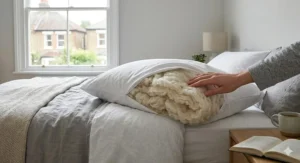
Pillow Material Comparison Guide: Pros and Cons
Memory Foam Pillows
Advantages:
- Exceptional neck support and spinal alignment
- Hypoallergenic and dust mite resistant
- Maintains shape without fluffing
- Wide availability and price ranges
Disadvantages:
- Can sleep warm without cooling technology
- Initial chemical smell (off-gassing)
- Not machine washable
- Limited adjustability once purchased
Best Brands in UK: Tempur, Panda, Ecosafeter, MULISOFT
Latex Pillows
Advantages:
- Outstanding durability (5-10 years)
- Excellent temperature regulation
- Naturally antimicrobial and hypoallergenic
- Immediate response to pressure
Disadvantages:
- Higher initial cost (£50-£120)
- Heavy compared to alternatives
- Initial rubber scent (dissipates quickly)
- Limited high-street availability
Best Brands in UK: Dunlopillo, Relyon, Hypnos, Talatex
Down and Feather Pillows
Advantages:
- Luxuriously soft and mouldable
- Excellent natural temperature regulation
- Lightweight for travel
- Can last 3-5 years with care
Disadvantages:
- Potential allergen concerns
- Requires regular fluffing and maintenance
- Professional cleaning needed
- Can flatten without adequate fill
Best Brands in UK: John Lewis, The Fine Bedding Company
Down Alternative Pillows
Advantages:
- Budget-friendly (£13-£30)
- Completely machine washable
- Hypoallergenic
- Widely available
Disadvantages:
- Shorter lifespan (1-2 years)
- Less supportive than foam or latex
- Can clump and flatten quickly
- May sleep warmer than natural materials
Best Brands in UK: Amazon Basics, Slumberdown, Silentnight
Bamboo Pillows
Advantages:
- Eco-friendly and sustainable
- Excellent moisture-wicking properties
- Natural temperature regulation
- Soft, silky texture
Disadvantages:
- Variable quality between brands
- Manufacturing process questions (chemical vs mechanical)
- Price varies widely (£25-£80)
- Performance depends on fill material
Best Brands in UK: Panda, The Bamboo Pillow
Pillow Material Pros Cons: Choosing by Material
Natural Materials vs Synthetic
Natural Materials (Down, Feather, Latex):
- Generally more breathable and temperature-regulating
- Can last longer with proper care
- Higher initial investment
- Environmental sustainability varies (latex excellent, down questionable)
- May trigger allergies (except latex)
Synthetic Materials (Memory Foam, Polyester, Microfibre):
- More affordable entry prices
- Hypoallergenic properties
- Easier maintenance options
- Less environmental impact concerns (though petroleum-based)
- Shorter typical lifespan
The choice isn’t binary—many excellent pillows blend materials. Bamboo-covered memory foam combines natural breathability with synthetic support. Shredded latex mixed with kapok fibres offers natural comfort with adjustability.
Choosing Pillow by Material: Expert Recommendations by Sleep Style
The Hot Sleeper’s Priority List
- Natural Latex (especially Talalay) – unmatched sustained cooling
- Bamboo-covered pillows (any fill) – moisture-wicking properties
- Gel-infused memory foam – modern cooling technology
- Down – natural breathability
- Avoid: Solid memory foam blocks without cooling features
The Budget-Conscious Buyer
- Down alternative (£13-£20 for 2-pack) – acceptable short-term value
- Microfibre (£15-£30) – slightly better durability than basic polyester
- Entry-level memory foam (£20-£30) – therapeutic benefits on budget
- Avoid: Cheap memory foam with poor reviews—false economy
The Neck Pain Sufferer
- Contoured memory foam – specific cervical support
- Firm latex – consistent support with natural benefits
- High-loft side sleeper pillows – designed for alignment
- Avoid: Soft down or thin pillows—inadequate support
The Allergy-Prone Sleeper
- Certified latex (non-allergenic) – natural antimicrobial properties
- Allergy UK-approved synthetics (Slumberdown) – specifically tested
- Memory foam (OEKO-TEX certified) – dust mite resistant
- Avoid: Down and feather—can harbour allergens despite treatments
The Eco-Warrior
- Natural latex (GOLS certified) – renewable and biodegradable
- Organic bamboo-covered (mechanical processing) – sustainable sourcing
- UK-manufactured options (Linens Limited) – reduced carbon footprint
- Avoid: Cheap synthetic foam—questionable manufacturing standards
How to Choose the Perfect Pillow Material for Sleeping: 5 Essential Steps
Step 1: Evaluate Your Sleep Position Honestly
Track your sleeping position over a week. Ask your partner or use a sleep-tracking app to understand where you genuinely spend most of the night. Many people believe they’re back sleepers when they actually spend 70% of the night on their side.
Side sleepers need firm, high-loft pillows (12-15cm height) to fill the shoulder gap. Memory foam or latex in medium-firm to firm density works best. Back sleepers require medium-loft pillows (10-12cm) that support the natural neck curve without pushing the head forward. Medium-density memory foam or down-feather blends excel here. Stomach sleepers need soft, thin pillows (under 8cm) to prevent neck strain. Soft down or thin memory foam prevents excessive angle. According to National Geographic’s sleep science research, research consistently shows that pillow height and firmness are two of the strongest predictors of sleep quality and the development or avoidance of sleep problems.
Step 2: Consider Your Temperature Regulation
Be honest about whether you run hot or cold during sleep. Hot sleepers should prioritise breathable materials with proven cooling credentials. Natural latex tops the list, followed by gel-infused memory foam and bamboo-covered options.
Cold sleepers benefit from insulating materials like down or solid memory foam that retain warmth. Consider seasonal variation—you might need different pillows for summer and winter in the UK’s variable climate.
Step 3: Calculate True Cost of Ownership
Look beyond the price tag to cost-per-year calculations. A £100 latex pillow lasting 8 years costs £12.50 annually. A £15 down alternative pillow replaced annually costs… £15 annually. The premium option actually saves money whilst delivering superior performance.
Factor in maintenance costs: down pillows require professional cleaning (£15-£25 annually), whilst synthetic options wash at home. Memory foam and latex need quality pillow protectors (£15-£30) but no other ongoing costs.
Step 4: Test Return Policies
Many UK retailers offer sleep trials—take advantage of them! Amazon.co.uk typically allows returns within 30 days, whilst specialist brands like Panda offer extended trial periods. Don’t commit to an expensive pillow without testing it properly at home.
Give new pillows at least 7-10 nights before judging. Your body needs time to adjust to different support levels, and you might experience temporary stiffness when switching from soft to firm materials.
Step 5: Read UK-Specific Reviews
Prioritise reviews from UK customers purchasing via Amazon.co.uk or British retailers. Climate, sizing standards, and manufacturing variations mean American reviews don’t always translate to the UK market.
Look for detailed reviews mentioning specific use cases similar to yours. A review from a side sleeper with neck pain offers more relevance than generic “comfortable pillow” feedback. Check recent reviews (past 3-6 months) to ensure product quality remains consistent.
For more information on UK consumer rights regarding pillow purchases, visit Citizens Advice.

Frequently Asked Questions About Pillow Material for Sleeping
❓ How often should I replace my pillow based on the material?
❓ What pillow material is best for neck pain and side sleepers?
❓ Are bamboo pillows actually made from bamboo or is it just marketing?
❓ Can I machine wash memory foam or latex pillows?
❓ What's the difference between Dunlop and Talalay latex pillows?
Conclusion: Finding Your Perfect Pillow Material for Sleeping
Choosing the right pillow material for sleeping isn’t about finding the “best” option—it’s about identifying what works specifically for your body, sleep style, and priorities. Memory foam delivers therapeutic support for neck pain sufferers. Latex offers unmatched durability and cooling for hot sleepers willing to invest upfront. Down provides luxurious softness that many find irreplaceable. Down alternative makes quality sleep accessible on any budget.
The UK market in 2026 offers unprecedented choice and quality across all price points. British manufacturers like Slumberdown, Silentnight, and others have perfected their formulas, creating products that genuinely rival traditional materials. Whether you invest £15 in a down alternative 2-pack for your guest room or £100 in a premium latex pillow for long-term value, quality options exist at every price point.
Don’t underestimate this decision. You’ll spend roughly 2,800 hours each year with your head resting on your pillow—about 116 full days. That intimate relationship with your pillow directly impacts your neck health, sleep quality, and how you feel each morning. A proper pillow material for sleeping that matches your needs can eliminate morning stiffness, reduce snoring, improve spinal alignment, and transform restless nights into genuinely restorative sleep.
My recommendation? Start with your sleep position and work backwards. Side sleepers: test memory foam or latex in firm density. Back sleepers: try medium-density memory foam or down-feather blends. Stomach sleepers: explore soft down or thin memory foam options. Consider your budget realistically—a mid-range memory foam pillow (£25-£40) offers excellent therapeutic benefits without breaking the bank, whilst lasting 2-3 years with proper care.
Remember to use the 30-day return policies most UK retailers offer. Give each pillow 7-10 nights before deciding—your body needs time to adjust to different support levels. Read UK customer reviews carefully, prioritising detailed feedback from sleepers with similar needs to yours. And invest in quality pillow protectors regardless of material choice—they extend pillow life significantly whilst maintaining hygiene.
Your perfect pillow material for sleeping exists. It might be the therapeutic embrace of memory foam, the responsive bounce of latex, the luxurious softness of down, or the budget-friendly practicality of microfibre. Use this guide to narrow your options, trust your sleep position as the primary guide, and don’t be afraid to experiment. Sweet dreams await.
Recommended for You
- 7 Best Luxury Pillow UK 2026 – Premium Sleep Tested
- 7 Best Budget Pillow UK 2026 | Quality Sleep Under £30
- 7 Best Pillow Brands for Side Sleepers UK 2026
Disclaimer: This article contains affiliate links. If you purchase products through these links, we may earn a small commission at no additional cost to you. Prices shown are approximate and may vary based on retailer promotions and current availability.
✨ Found this helpful? Share it with your mates! 💬🤗
