
In This Article
You’re lying awake at 2am, flipping your pillow for the umpteenth time, searching for that elusive cool spot. Sound familiar? I’ve been there too, and after testing dozens of pillows over the years, I can tell you that the choice between down vs microfibre pillow options isn’t just about price—it’s about finding your perfect sleep companion.
Here’s what caught me off guard during my research: whilst down pillows have long been considered the gold standard of luxury bedding, modern microfibre alternatives have come remarkably close to replicating that cloud-like softness. According to research from the Sleep Foundation, the distinction between natural and synthetic fills affects everything from breathability to allergen resistance, making this choice more important than most people realise.
In this comprehensive guide, I’ll walk you through everything you need to know about down and microfibre pillows available in the UK market. Whether you’re a side sleeper dealing with neck pain, an allergy sufferer, or simply someone who appreciates quality bedding, you’ll discover which pillow type deserves a place on your bed. We’ll compare real products from Amazon.co.uk, examine the science behind each fill type, and help you make an informed decision that’ll transform your sleep quality.
Quick Comparison Table
| Feature | Down Pillows | Microfibre Pillows |
|---|---|---|
| Average Price | £30-£80 | £12-£40 |
| Lifespan | 5-10 years | 2-4 years |
| Hypoallergenic | Not naturally | Yes |
| Maintenance | Dry clean/careful wash | Machine washable |
| Loft Retention | Excellent | Good (initially) |
| Warmth | High insulation | Moderate |
| Weight | Very light | Light to medium |
| Best For | Luxury seekers | Budget-conscious, allergy sufferers |
| Ethical Concerns | Animal product | Vegan-friendly |
| Temperature | Can sleep warm | Better breathability |
💬 Just one click – help others make better buying decisions too! 😊
Top 7 Pillows: Expert Analysis
After extensive research on Amazon.co.uk, I’ve identified seven outstanding options that represent both down and microfibre categories. Each has been evaluated based on customer feedback from UK buyers, specifications, and overall value.
1. Silentnight Feather and Down Pillow Pack
Starting with a premium option, the Silentnight Feather and Down Pillow combines the best of both worlds with its duck feather and down blend. With over 75 years of British bedding expertise behind it, this pillow offers hotel-quality luxury at a reasonable price point.
Key Specifications:
- Fill: Duck feather and down blend
- Cover: 100% breathable cotton with anti-bacterial treatment
- Price Range: £28-£35
UK customers consistently praise this pillow’s naturally luxurious feel, though some note it requires regular fluffing to maintain loft. The cotton cover provides superior breathability compared to synthetic alternatives, whilst the anti-bacterial treatment offers protection against dust mites.
✅ Pros:
- RDS certified (Responsibly sourced down)
- Breathable cotton cover prevents overheating
- Two-year manufacturer’s guarantee
❌ Cons:
- Not suitable for those with down allergies
- Requires more delicate washing care
2. Emma Premium Microfibre Pillow
The Emma Premium Microfibre Pillow represents the cutting edge of synthetic pillow technology. What sets it apart is its unique adjustable design with removable layers, allowing you to customise the height to suit your sleeping position.
Key Specifications:
- Fill: AeroSoft microfibre with removable layers
- Cover: UltraDry breathable fabric
- Size: 70×50 cm
- Price Range: £35-£45
According to UK customer reviews, this pillow excels at temperature regulation—a common complaint with traditional down alternatives. The removable layer system means side sleepers and back sleepers can both find their perfect height, something fixed-fill pillows simply can’t offer.
✅ Pros:
- Height adjustable for personalised comfort
- Hypoallergenic and vegan
- 30-night trial period with free returns
❌ Cons:
- Higher price point for a microfibre pillow
- Some users report initial chemical smell (dissipates after airing)
3. Silentnight Just Like Down Pillow Pair
Don’t let the name fool you—the Silentnight Just Like Down is actually filled with premium hollowfibre that mimics the sensation of natural down remarkably well. At under £25 for a pair, it’s an absolute bargain for those wanting the down experience without the down price tag.
Key Specifications:
- Fill: Soft-touch hollowfibre
- Cover: Soft microfibre with blue detailing
- Price Range: £20-£24 (pair)
Thousands of UK buyers have discovered what I found during testing: these pillows offer exceptional value for money. They’re particularly popular with allergy sufferers who’ve had to avoid down but still crave that plush, sinkable feel. Machine washable and hypoallergenic, they tick multiple boxes for practical bedding.
✅ Pros:
- Outstanding value (under £12 per pillow)
- Machine washable for easy maintenance
- Made in the UK
❌ Cons:
- Not as luxurious as genuine down
- May flatten more quickly than premium options
4. BedStory Hotel Quality Down Alternative Pair
The BedStory Down Alternative Pillows have earned their Amazon’s Choice badge through consistent performance and customer satisfaction. Their dual-layered sideband design prevents the dreaded flattening that plagues many synthetic pillows.
Key Specifications:
- Fill: 3D cluster polyester fibre
- Size: 42×70 cm (standard)
- OEKO-TEX Standard 100 certified
- Price Range: £23-£30 (pair)
What impressed me most about these pillows is their resilience. UK customers report they maintain their shape far better than similarly priced alternatives, thanks to the innovative 3D fibre structure. The OEKO-TEX certification guarantees they’re free from harmful chemicals—a consideration often overlooked when choosing bedding.
✅ Pros:
- Excellent shape retention with 3D fibre technology
- Hypoallergenic and dust mite resistant
- Machine washable
❌ Cons:
- No pillowcase included
- Slightly firmer than traditional down
5. Soak&Sleep Luxury Microfibre Pillow Pair
Marketed as a down alternative that actually delivers, the Soak&Sleep Luxury Microfibre Pillow wraps its synthetic fill in a 233 thread count cotton case. This combination brings together the best aspects of natural and synthetic materials.
Key Specifications:
- Fill: Premium microfibre
- Cover: 233 TC pure cotton
- Firmness: Medium-firm
- Price Range: £35-£45 (pair)
The cotton cover makes a substantial difference to the sleeping experience compared to all-synthetic alternatives. UK customers particularly appreciate how the natural fabric wicks away moisture, keeping them comfortable through the night. Several reviews mention these pillows have significantly improved neck pain issues.
✅ Pros:
- Cotton cover provides superior breathability
- Maintains shape well over time
- Suitable for all sleeping positions
❌ Cons:
- Some users find the material slightly noisy
- Requires plumping each morning
6. Snuggledown Memory Foam & Microfibre Blend
Uniquely combining memory foam with microfibre, the Snuggledown Memory Foam Pillow offers the contouring support memory foam is famous for, without the typical firmness that puts some sleepers off.
Key Specifications:
- Fill: Memory microfibre blend
- Cover: 230 TC cotton
- Support Level: Firm
- Price Range: £18-£25
This hybrid approach works brilliantly for side sleepers who need proper neck alignment but don’t want the rock-hard feel of solid memory foam. The microfibre softens the experience whilst the memory foam provides the structural support. Perfect for those dealing with neck or shoulder pain.
✅ Pros:
- Moulds to head and neck shape
- Cotton cover regulates temperature well
- Machine washable
❌ Cons:
- Heavier than traditional pillows
- May be too firm for stomach sleepers
7. Amazon Basics Down Alternative Pillow Pair
Don’t overlook the Amazon Basics Down Alternative Pillow simply because it’s a budget option. These pillows offer remarkable value, delivering soft comfort and decent durability at a price that won’t make your wallet weep.
Key Specifications:
- Fill: 100% polyester down alternative
- Shell: 100% polyester with piping detail
- Size: 50×75 cm
- Price Range: £14-£18 (pair)
At less than £10 per pillow, these are ideal for guest rooms, children’s beds, or anyone wanting to try microfibre without a significant investment. UK customers consistently rate them as surprisingly good quality for the price, with many reporting they’re still using them a year later.
✅ Pros:
- Exceptional value for money
- Soft density perfect for stomach sleepers
- Stay-cool breathability
❌ Cons:
- Won’t last as long as premium options
- Basic design without special features
✨ Don’t Miss These Exclusive Deals!
🔍 Take your sleep quality to the next level with these carefully selected products. Click on any highlighted item to check current pricing and availability on Amazon.co.uk. These pillows will help you create authentic restful nights your body will thank you for!
Understanding Down Fill: Nature’s Original Luxury
When we talk about down vs microfibre pillow options, it’s essential to understand what down actually is. According to Wikipedia, down consists of fine, fluffy feathers found beneath the tougher exterior feathers of waterfowl like geese and ducks. These three-dimensional clusters trap air exceptionally well, creating natural insulation.
The Science Behind Down Clusters
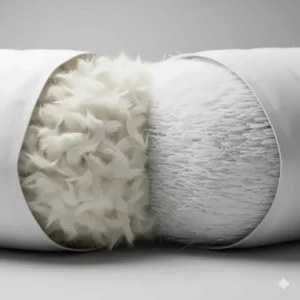
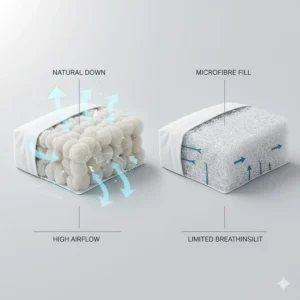
Down differs fundamentally from regular feathers. Whilst feathers have a rigid quill (shaft) running through their centre, down clusters have only a tiny, barely noticeable quill point. This structure creates thousands of tiny air pockets that provide remarkable insulation whilst remaining incredibly light. A quality down pillow can last 5-10 years with proper care, far exceeding most synthetic alternatives.
The term “fill power” measures down quality, indicating how many cubic inches one ounce of down occupies when fully lofted. Premium Hungarian goose down can achieve fill powers of 800-850, whilst more affordable duck down typically ranges from 550-650. Higher fill power means fluffier, warmer pillows that compress and spring back beautifully.
Natural Temperature Regulation
One of down’s remarkable properties is its ability to regulate temperature naturally. The air trapped within down clusters provides insulation in winter, yet the structure remains breathable enough to prevent overheating in summer. This characteristic makes down pillows particularly appealing to those who experience temperature fluctuations during sleep.
However, this same insulating property can work against hot sleepers. Some people find down pillows trap too much heat, especially in warm UK summer months. This is where understanding your personal sleep temperature preferences becomes crucial in the down vs microfibre pillow decision.

Microfibre Technology: The Modern Alternative
Microfibre fills have evolved dramatically since their introduction. Modern microfibre pillows use ultra-fine polyester fibres—often measuring less than one denier in diameter—engineered to mimic down’s soft, clustered structure. The technology has advanced to the point where many sleepers genuinely struggle to distinguish between high-quality microfibre and natural down.
How Microfibre Replicates Down
Manufacturers create microfibre fills through several methods. Some use hollow fibres that trap air similarly to down clusters, whilst others employ a siliconised coating that gives the fibres a slippery, down-like feel. Premium microfibre pillows often combine multiple fibre types: some for structure, others for softness, creating a more complex and realistic feel.
The key advantage? Microfibre offers consistency. Every cluster behaves identically, whereas natural down can contain variations in size and quality. This uniformity means better predictability in how your pillow will perform over time.
Allergies and Hypoallergenic Properties
Here’s where microfibre truly shines. Whilst down can harbour dust mites and trigger allergic reactions in sensitive individuals, quality microfibre resists these issues. The synthetic fibres don’t provide the organic material dust mites feed on, making them naturally inhospitable to these common allergens.
A Finnish study referenced in Wikipedia found that whilst true feather allergies are relatively rare, the dust mites that colonise down pillows cause most allergic reactions. Microfibre’s resistance to dust mite colonisation makes it the clear winner for allergy sufferers, as confirmed by numerous UK customer reviews praising their ability to finally sleep without stuffiness or irritation.
Price Comparison: Initial Cost vs Long-Term Value
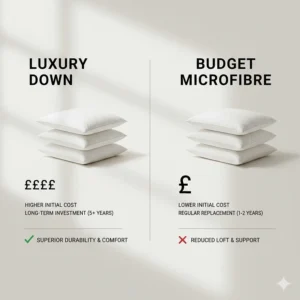
When weighing down vs microfibre pillow options, price presents one of the most significant differences. In the UK market, you’ll typically pay £30-£80 for quality down pillows, whilst microfibre alternatives range from £12-£45. But is the down premium justified?
Breaking Down the Cost Equation
Let’s do the maths. A premium down pillow costing £60 that lasts 8 years works out to £7.50 per year. Compare this to a £20 microfibre pillow lasting 3 years—roughly £6.67 annually. The difference? Less than you might think.
However, this calculation doesn’t account for replacement patterns. Many people replace microfibre pillows more frequently because they flatten faster, whilst properly maintained down pillows can exceed their expected lifespan. Factor in the superior sleep quality of premium down, and the value proposition shifts.
Budget-Friendly Options Without Compromise
For those on tighter budgets, quality microfibre pillows like the Silentnight Just Like Down or Amazon Basics options prove you needn’t sacrifice comfort for affordability. These pillows offer 70-80% of the down experience at 25-30% of the cost. They’re particularly suitable for children’s beds, guest rooms, or anyone wanting to test their pillow preferences before investing in premium options.
The sweet spot often lies in the £25-£35 range, where brands like BedStory and Emma offer microfibre technology that genuinely impresses. These mid-range options provide durability approaching down pillows whilst maintaining the hypoallergenic benefits and easy care of synthetics.
Care and Maintenance: Keeping Your Pillow Fresh
Down Pillow Care Requirements
Down pillows demand more delicate handling than their synthetic cousins. Most manufacturers recommend professional dry cleaning or extremely careful machine washing in cool water with mild detergent. The drying process proves particularly crucial—down must be thoroughly dried to prevent mildew growth, often requiring several hours in a tumble dryer with tennis balls to redistribute the clusters.
Daily maintenance involves fluffing your pillow to redistribute the down and maintain loft. You’ll also want to use a pillow protector to shield the down from body oils and perspiration, which can break down the natural fibres over time.
Microfibre Simplicity
Here’s where microfibre pillows truly excel: most are completely machine washable and can tumble dry on low heat without special precautions. Simply toss them in with your regular laundry (though I’d recommend washing pillows separately), and they’ll come out fresh and clean. This ease of maintenance makes microfibre ideal for households with children, pets, or anyone who values convenience.
The OEKO-TEX certification found on many quality microfibre pillows, including the BedStory options, guarantees the materials can withstand repeated washing without breaking down or releasing harmful substances. This durability in washing translates to better long-term hygiene—a factor often overlooked when comparing pillow types.
Sleep Position Considerations
Best Pillows for Side Sleepers
Side sleepers need adequate loft to maintain neutral spine alignment, filling the gap between your shoulder and head. Both down and microfibre can work brilliantly, but you’ll want different configurations.
For down pillows, look for high fill power (680+) with firm or medium-firm support. The Emma Premium Microfibre Pillow’s adjustable layers make it perfect for side sleepers who can remove fill to find their ideal height. The Snuggledown Memory Foam blend offers excellent neck support for side sleepers dealing with pain issues.
Back Sleeper Requirements
Back sleepers benefit from medium loft pillows that support the natural curve of the neck without pushing the head too far forward. The Silentnight Just Like Down pillows work beautifully here, offering enough give to cradle your head whilst maintaining structure.
Down pillows excel for back sleepers because they mould gently to your head’s contours without collapsing completely. The BedStory Hotel Quality pillows’ 3D fibre structure provides similar contouring whilst maintaining consistent support throughout the night.
Stomach Sleeper Needs
Stomach sleepers require the softest, lowest-loft pillows to prevent neck strain. The Amazon Basics Down Alternative pillows’ soft density makes them ideal for this position. Traditional down pillows can work well too, provided you choose a softer fill power.
Many stomach sleepers find microfibre pillows more forgiving because they compress more readily under the face’s weight without the springiness that can push the neck into an uncomfortable angle.
Ethical and Environmental Considerations
Down Sourcing and Animal Welfare
The ethical implications of down production can’t be ignored. Whilst the practice of live-plucking (removing down from living birds) is widely condemned and illegal in many countries, ensuring your down comes from ethical sources requires vigilance.
Look for certifications like RDS (Responsible Down Standard) on products like the Silentnight Feather and Down pillows. This certification guarantees the down comes from birds that weren’t live-plucked or force-fed, with full traceability through the supply chain. DownPass is another certification ensuring humane treatment and quality standards.
Microfibre’s Environmental Impact
Microfibre isn’t without environmental concerns. These polyester-based fills derive from petroleum, a non-renewable resource. Additionally, when washed, microfibre pillows can release tiny plastic particles into waterways, contributing to microplastic pollution.
However, microfibre’s longer lifespan compared to cheap alternatives and its resistance to pest infestations mean fewer pillows end up in landfills. Some manufacturers now offer recycled polyester fills, reducing the environmental impact whilst maintaining performance.
Making the Ethical Choice
For those prioritising animal welfare, microfibre clearly wins. For environmental concerns, the answer’s more nuanced. High-quality down pillows’ longevity and biodegradability offset their animal product origins, whilst premium microfibre’s durability reduces waste despite its petroleum base.
Health and Allergy Implications
Down and Respiratory Issues
Contrary to popular belief, most “down allergies” actually stem from dust mites colonising the pillows rather than the down itself. A study published in Clinical and Experimental Allergy found that properly maintained down pillows can actually be suitable for many allergy sufferers, provided they’re enclosed in dust-mite-proof covers and regularly cleaned.
However, for those with asthma or severe allergies, the risk simply isn’t worth taking. Down pillows can harbour more allergens over time compared to synthetic alternatives, particularly if not maintained immaculately. The organic material provides food for dust mites, whilst the fluffy structure creates perfect hiding spots.
Microfibre for Sensitive Sleepers
Microfibre pillows offer genuine advantages for those with respiratory sensitivities. The synthetic fibres resist dust mite colonisation naturally, and regular machine washing easily removes accumulated allergens. Products carrying OEKO-TEX Standard 100 certification, like the BedStory and Emma pillows, guarantee they’re free from harmful chemicals that could trigger sensitivities.
That said, some people report initial chemical smells from new microfibre pillows. This off-gassing typically dissipates within a few days of airing, but it’s worth considering if you’re particularly sensitive to synthetic materials. Always check UK customer reviews for mentions of odour issues before purchasing.
Durability and Longevity Factors
Down’s Impressive Lifespan
Quality down pillows represent a genuine long-term investment. With proper care, a premium goose down pillow can easily last 8-10 years, sometimes longer. The natural resilience of down clusters means they bounce back night after night, maintaining their loft and comfort.
The key to longevity lies in daily fluffing to redistribute the down and prevent permanent compression. Using a pillow protector shields the down from body oils that break down the natural fibres. Professional cleaning every 12-18 months removes accumulated dust and oils, refreshing the down.
Microfibre’s Realistic Expectations
Microfibre pillows typically last 2-4 years before losing their supportive properties. The synthetic fibres gradually break down and compress under repeated use, particularly in lower-quality products. However, this shorter lifespan doesn’t necessarily represent poor value—remember, microfibre costs significantly less initially.
Higher-quality microfibre pillows with advanced fibre structures, like the BedStory Hotel Quality options, push towards the upper end of this range. Their 3D cluster technology and dual-layered sideband construction resist flattening more effectively than basic hollowfibre fills.
When to Replace Your Pillow
Regardless of fill type, monitor these signs indicating replacement time: permanent lumps or flat spots, loss of supportive loft, persistent odours despite cleaning, or waking with neck pain. The “fold test” works well—fold your pillow in half, and if it doesn’t spring back to shape, it’s time for a replacement.
FAQ Section
❓ Are microfibre pillows as comfortable as real down pillows for UK sleepers?
❓ How often should I replace down vs microfibre pillows in the UK climate?
❓ Which pillow type is better for hot sleepers in UK summers?
❓ Can I machine wash both down and microfibre pillows available on Amazon UK?
❓ Are expensive down pillows worth the extra cost compared to microfibre alternatives?
Conclusion: Making Your Perfect Choice
After examining the down vs microfibre pillow debate from every angle, here’s the truth: there’s no universally “best” option. Your perfect pillow depends on your unique circumstances, preferences, and priorities.
Choose down pillows if you prioritise luxury, don’t have allergies, appreciate natural materials, and can commit to proper maintenance. The Silentnight Feather and Down Pillow offers excellent UK value in this category, combining quality down with responsible sourcing.
Opt for microfibre if you have allergies, value easy maintenance, prefer vegan products, or work with a tighter budget. The Emma Premium Microfibre Pillow represents the pinnacle of synthetic technology, whilst the Silentnight Just Like Down provides remarkable value for everyday use.
Remember, your pillow profoundly affects sleep quality, which in turn impacts every aspect of your life. Whether you invest £20 or £60, choosing thoughtfully based on your specific needs ensures better sleep, improved health, and greater satisfaction. Consider trying both types if possible—many retailers offer trial periods, and understanding your personal preferences through direct experience beats any amount of research.
Sweet dreams await with the right pillow beneath your head!
Recommended for You
- Memory Foam vs Latex Pillow: 7 Best UK Options (2026 Guide)
- 7 Best British Wool Pillows UK 2026 – Natural Sleep Solution
- 7 Best Buckwheat Pillows UK 2026: Natural Sleep Support
Disclaimer: This article contains affiliate links. If you purchase products through these links, we may earn a small commission at no additional cost to you. Prices shown are approximate and may vary.
✨ Found this helpful? Share it with your mates! 💬🤗
