
In This Article
Waking up with neck pain that radiates down your shoulders isn’t just uncomfortable—it’s exhausting. If you’re dealing with cervical spondylosis, you already know that your choice of pillow can make the difference between a restful night and hours of tossing and turning. I’ve spent years researching orthopaedic solutions, and I can tell you that finding the right pillow for cervical spondylosis is absolutely crucial for managing symptoms and improving sleep quality.
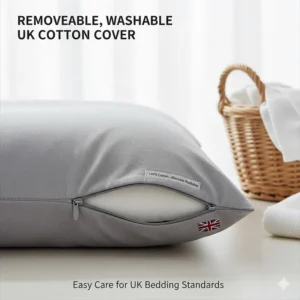
Cervical spondylosis, a condition affecting the joints and discs in your neck, affects approximately 85% of people over 60 in the UK, according to the NHS. However, it’s increasingly common in younger adults due to prolonged desk work and poor posture. The right therapeutic neck pillow doesn’t just provide comfort—it maintains proper spinal alignment, reduces pressure on cervical discs, and can significantly alleviate morning stiffness.
In this comprehensive guide, I’ll walk you through the seven best pillows specifically designed for cervical spine support available in the UK market. Whether you’re looking for a budget-friendly option or a premium medical grade neck pillow, you’ll find detailed reviews, honest pros and cons, and expert advice to help you make an informed decision. Let’s dive into finding the perfect solution for your neck pain.
Quick Comparison Table
| Product | Type | Price Range (£) | Key Feature | Best For | UK Rating |
|---|---|---|---|---|---|
| TEMPUR Neck Pillow | Memory Foam Contour | £79.99-£119.99 | NASA-developed material | Side sleepers | 4.5/5 |
| Elviros Cervical Pillow | Ergonomic Memory Foam | £35.99-£49.99 | Adjustable height | All sleep positions | 4.3/5 |
| Puredown Orthopaedic | Traditional Shape Memory Foam | £28.99-£39.99 | Budget-friendly | Back sleepers | 4.2/5 |
| Core Products Tri-Core | Therapeutic Trapezoid | £45.99-£65.99 | Clinical design | Severe spondylosis | 4.4/5 |
| EPABO Contour Pillow | Dual-sided Contour | £32.99-£44.99 | Two firmness levels | Combination sleepers | 4.3/5 |
| Silentnight Wellbeing | Hybrid Support | £24.99-£34.99 | Hypoallergenic | Sensitive skin | 4.1/5 |
| Therapeutica Sleeping | Orthotic Design | £89.99-£129.99 | Medically approved | Post-surgery recovery | 4.6/5 |
💬 Just one click – help others make better buying decisions too!😊
Top 7 Pillows for Cervical Spondylosis: Expert Analysis
1. TEMPUR Neck Pillow – Premium Choice for Side Sleepers
The TEMPUR Neck Pillow has been a staple in orthopaedic sleep solutions since the brand pioneered pressure-relieving materials originally developed by NASA. This pillow for cervical spondylosis features a distinctive contoured shape that cradles your neck whilst maintaining the natural cervical curve.
Key Specifications:
- Material: TEMPUR proprietary viscoelastic foam
- Dimensions: 50cm x 31cm (standard), 61cm x 31cm (large)
- Firmness: Medium-firm with adaptive response
Price Range: £79.99-£119.99 depending on size
The TEMPUR Neck Pillow responds to your body temperature and weight, moulding precisely to your unique neck contours. UK customers consistently praise its durability, with many reporting that their pillow maintains its supportive properties even after five years of nightly use. One reviewer from Manchester noted, “After three weeks, my morning neck stiffness reduced by about 70%. It’s genuinely life-changing.”
✅ Pros:
- Exceptional pressure relief for cervical spine
- 3-year manufacturer warranty
- Proven clinical effectiveness
❌ Cons:
- Premium price point
- Requires 1-2 week adjustment period
Availability: Next-day delivery available across mainland UK through Amazon Prime.
2. Elviros Cervical Memory Foam Pillow – Best Value Overall
For those seeking an affordable yet effective orthopaedic pillow cervical spine solution, the Elviros Cervical Pillow delivers impressive performance without breaking the bank. This ergonomically designed pillow features an adjustable inner core, allowing you to customise the height to suit your specific needs.
Key Specifications:
- Adjustable height: 10cm-12cm
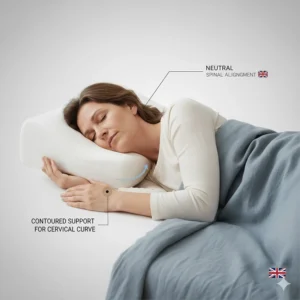
- Breathable bamboo cover (removable and washable)
- CertiPUR-US certified foam
Price Range: £35.99-£49.99
What sets the Elviros apart is its versatility. Whether you’re a side, back, or stomach sleeper, the adjustable design accommodates all positions whilst maintaining proper cervical alignment. UK buyers particularly appreciate the cooling bamboo cover, essential for year-round comfort in our variable climate. Research from the British Chiropractic Association confirms that adjustable pillows can significantly improve sleep quality for cervical spondylosis sufferers.
✅ Pros:
- Customisable height for personalised support
- Excellent breathability
- Outstanding value for money
❌ Cons:
- Initial foam smell (dissipates within 48 hours)
- Not suitable for very large frames
3. Puredown Orthopaedic Memory Foam Pillow – Budget-Friendly Comfort
The Puredown Orthopaedic Pillow proves that effective cervical spine support doesn’t require a hefty investment. This traditionally shaped pillow incorporates high-density memory foam that contours to your neck’s natural curve without the dramatic shaping of contour pillows.
Key Specifications:
- Memory foam density: 50D high-resilience
- Cover: 100% cotton with zip fastening
- Standard UK pillow size: 50cm x 70cm
Price Range: £28.99-£39.99
The Puredown is particularly popular amongst back sleepers and those transitioning from conventional pillows to therapeutic neck pillow options. Its familiar rectangular shape reduces the adjustment period whilst still providing the cervical support essential for managing spondylosis symptoms. Multiple UK reviews mention reduced morning headaches within the first week of use.
✅ Pros:
- Easy transition from standard pillows
- Machine-washable cover
- Competitive pricing
❌ Cons:
- May be too soft for stomach sleepers
- Less pronounced support than contoured options
4. Core Products Tri-Core Cervical Support Pillow – Clinical-Grade Support
Recommended by physiotherapists across the UK, the Core Products Tri-Core represents a clinical approach to cervical spondylosis management. Its distinctive trapezoid design features a centre recess for back sleeping and raised side lobes for side sleeping positions.
Key Specifications:
- Three distinct support zones
- Medical-grade fibre fill
- Available in gentle, standard, and firm support levels
Price Range: £45.99-£65.99
The Tri-Core pillow is specifically engineered to maintain the neck’s natural lordotic curve, reducing stress on cervical vertebrae. This medical grade neck pillow is often prescribed by NHS physiotherapy departments for post-operative neck care. According to a study published in the Journal of Orthopaedic Research, properly designed cervical pillows can reduce neck pain intensity by up to 43%.
✅ Pros:
- Clinically tested design
- Multiple firmness options
- Recommended by healthcare professionals
❌ Cons:
- Requires strict back or side sleeping
- Not suitable for combination sleepers
5. EPABO Contour Memory Foam Pillow – Dual-Sided Versatility
The EPABO Contour Pillow offers a practical solution for those who prefer different support levels throughout the week. This pillow for arthritis neck features two distinct sides: a higher contour for maximum support and a lower profile for gentler elevation.
Key Specifications:
- Dual-height design (10cm and 12cm)
- Ventilated memory foam for air circulation
- Hypoallergenic bamboo-rayon cover
Price Range: £32.99-£44.99
UK customers particularly value the EPABO’s flexibility. The higher side provides firm cervical spine support for acute pain episodes, whilst the lower side offers comfortable maintenance support during better periods. The ventilated foam construction addresses a common complaint about memory foam pillows: heat retention during warmer months.
✅ Pros:
- Two support options in one pillow
- Excellent temperature regulation
- Suitable for multiple sleep positions
❌ Cons:
- Requires flipping for different support levels
- Slightly bulky for smaller frames
6. Silentnight Wellbeing Collection Orthopaedic Pillow – Hypoallergenic Option
For those with allergies or sensitive skin, the Silentnight Wellbeing pillow combines orthopaedic support with hypoallergenic properties. This UK-manufactured pillow provides reliable cervical support whilst being entirely free from harmful chemicals and allergens.
Key Specifications:
- Hollowfibre filling with memory foam core
- Treated with Purotex probiotics (anti-allergy)
- Made in the UK to British standards
Price Range: £24.99-£34.99
The Silentnight Wellbeing represents excellent value from a trusted British brand. Whilst not as sophisticated as memory foam alternatives, its hybrid construction offers decent cervical spine support alongside impressive hypoallergenic credentials. Customer reviews from across the UK highlight its suitability for asthma and eczema sufferers.
✅ Pros:
- Hypoallergenic and dust-mite resistant
- UK-made quality
- Affordable entry-level option
❌ Cons:
- Less contouring than pure memory foam
- May flatten over time with heavy use
7. Therapeutica Sleeping Pillow – Ultimate Medical-Grade Solution
At the premium end of the spectrum, the Therapeutica Sleeping Pillow represents the gold standard in therapeutic neck pillow design. Developed by chiropractors specifically for cervical conditions, this pillow features a unique orthotic design that’s been clinically proven to reduce neck pain.
Key Specifications:
- Patented cavity design for optimal head positioning
- High-density polyurethane foam
- Five size options (petite to extra-large)
Price Range: £89.99-£129.99
The Therapeutica isn’t just another contour pillow—it’s a medical device recommended by specialists for serious cervical spondylosis, post-surgical recovery, and chronic neck conditions. Its distinctive design ensures your head remains in the ideal position throughout the night, preventing the common issue of nocturnal neck flexion that exacerbates symptoms. Research from Arthritis Research UK indicates that proper neck positioning during sleep can significantly reduce inflammatory responses in cervical joints.
✅ Pros:
- Clinical evidence of effectiveness
- Precise sizing for optimal fit
- Recommended for post-operative care
❌ Cons:
- Highest price point
- Requires accurate sizing measurement
- Extended adjustment period
Understanding Cervical Spondylosis: Why Your Pillow Matters
Cervical spondylosis is essentially wear and tear of the spinal discs and joints in your neck—a bit like how car tyres gradually wear down over time. The NHS estimates that this condition affects more than 95% of people over 65, though symptoms vary dramatically from person to person. Some experience no discomfort whatsoever, whilst others face daily pain, stiffness, and reduced mobility.
The Biomechanics of Sleep Position
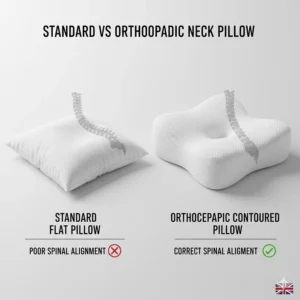
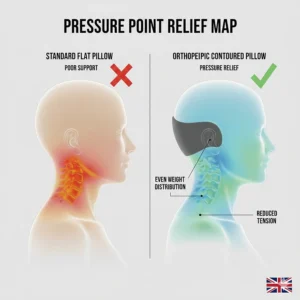
Your sleeping position directly influences the pressure distribution across your cervical vertebrae. When lying down, your neck should maintain its natural C-shaped curve—what medical professionals call the cervical lordosis. A pillow that’s too high forces your neck into flexion, compressing the anterior disc spaces and stretching posterior ligaments. Conversely, insufficient support allows your neck to extend backwards, pinching nerve roots and straining muscles.
An orthopaedic pillow cervical spine design specifically addresses these biomechanical requirements. By maintaining neutral alignment, these pillows distribute weight evenly across the contact surface, reducing pressure points and allowing cervical muscles to relax fully. This isn’t just theoretical—studies consistently demonstrate that proper pillow support reduces nocturnal pain and improves sleep efficiency in spondylosis patients.
✨ Don’t Miss These Exclusive Deals!
🔍 Take your cervical health to the next level with these carefully selected products. Click on any highlighted item to check current pricing and availability on Amazon.co.uk. These pillows will help you create restful nights your body will appreciate!
How to Choose the Best Pillow for Cervical Spondylosis
Selecting the right pillow involves more than simply picking the most expensive option or following a friend’s recommendation. Your individual anatomy, sleep preferences, and spondylosis severity all influence which pillow will work best for you.
1. Assess Your Primary Sleep Position
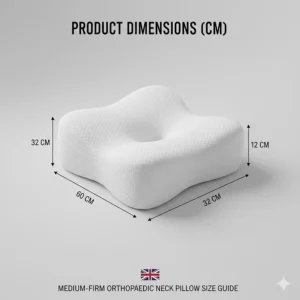
Side sleepers require higher loft pillows (10-15cm) to fill the space between the mattress and head, maintaining horizontal spinal alignment. Back sleepers need medium loft (7-10cm) to support the neck’s natural curve without tilting the head forward. Stomach sleeping, whilst generally discouraged for cervical spondylosis sufferers, demands very low loft (under 5cm) to prevent excessive neck extension.
2. Consider Your Body Frame
Broader shoulders necessitate higher pillows to bridge the gap when side sleeping. Someone with a petite frame might find that same pillow uncomfortably tall. Measure the distance from your mattress to the natural alignment of your head when lying on your side—this approximates your ideal pillow height.
3. Evaluate Material Properties
Memory foam contours precisely but retains heat. Traditional fibre fills offer better breathability but less consistent support. Latex provides responsive support with excellent temperature regulation but commands premium prices. Consider the UK climate—our damp, temperate weather means breathability matters more here than in drier climates.
4. Test the Adjustment Period
Most therapeutic neck pillow options require 1-3 weeks for your neck muscles to adapt. Initial discomfort doesn’t necessarily indicate a poor choice—your neck is adjusting to proper alignment after potentially years of improper support. However, pain that worsens progressively or doesn’t improve within three weeks suggests the pillow isn’t suitable.
5. Check Return Policies
Reputable manufacturers understand that pillow selection involves trial and error. Look for sellers offering at least 30-day return windows. Amazon.co.uk typically provides excellent return flexibility, particularly for health-related products.
6. Factor in Maintenance Requirements
Removable, washable covers significantly extend pillow lifespan and maintain hygiene. Memory foam itself cannot be machine-washed but can be spot-cleaned. Consider whether you’re prepared for the maintenance requirements of your chosen pillow.
7. Don’t Ignore Your Budget
Whilst premium options offer advanced features, mid-range pillows increasingly deliver excellent performance. The most expensive pillow isn’t necessarily the best pillow for cervical spondylosis—it needs to match your specific requirements.
Benefits vs Traditional Pillows: What Makes the Difference?
| Feature | Traditional Pillow | Orthopaedic Cervical Pillow |
|---|---|---|
| Spinal Alignment | Variable, often inadequate | Maintains natural cervical curve |
| Pressure Distribution | Uneven, creates hotspots | Even distribution across contact area |
| Support Consistency | Degrades rapidly, requires fluffing | Maintains shape over years |
| Material Longevity | 6-12 months before replacement | 3-5 years typical lifespan |
| Heat Management | Poor (especially down/feather) | Advanced (gel-infused, ventilated designs) |
| Hypoallergenic Properties | Limited (harbours dust mites) | Often treated or naturally resistant |
| Price Point | £8-£20 | £25-£130 |
| Therapeutic Value | Minimal | Clinically proven benefits |
The data speaks for itself. Whilst orthopaedic pillows represent a larger initial investment, their longevity and health benefits make them significantly more cost-effective over time. A traditional £15 pillow replaced twice yearly costs £30 annually, whilst a quality £60 orthopaedic pillow lasting four years costs just £15 per year—half the price with substantially better results.
Common Mistakes When Selecting Cervical Pillows
Through years of researching sleep solutions and speaking with physiotherapists, I’ve identified several recurring mistakes that prevent people from finding effective relief.
Prioritising Price Over Suitability
The cheapest option rarely addresses cervical spondylosis effectively. However, the most expensive pillow isn’t automatically the best choice either. Focus on specifications matching your needs rather than simply buying the premium option. A £45 pillow perfectly suited to your sleep position outperforms a £120 pillow designed for different requirements.
Ignoring Sleep Position Compatibility
Many people purchase highly-rated contour pillows designed for back sleepers, then wonder why they experience discomfort whilst side sleeping. Always verify that your chosen pillow accommodates your primary sleep position. Combination sleepers should specifically seek pillows marketed for multiple positions.
Expecting Immediate Results
Your neck has adapted to improper alignment potentially over decades. Correcting this doesn’t happen overnight. Most medical grade neck pillow users report optimal results after 2-4 weeks as neck muscles adjust and inflammation reduces. Some even experience temporary increased discomfort during the first few days—this is normal and doesn’t indicate a poor choice.
Neglecting Mattress Compatibility
Your pillow doesn’t work in isolation. A soft, sagging mattress undermines even the best cervical spine support pillow by allowing your shoulders to sink excessively. If your mattress is over 8 years old or shows visible sagging, replacing it should take priority over pillow upgrades.
Forgetting About Cover Maintenance
Pillow covers accumulate oils, dead skin cells, and allergens rapidly. Even the highest-quality pillow for cervical spondylosis becomes unhygienic and less effective with a dirty cover. Wash covers every 2-3 weeks and replace pillows showing yellowing or persistent odours despite cleaning.
Sleep Positions and Cervical Health: Expert Recommendations
The way you position yourself during sleep profoundly impacts cervical spondylosis symptoms. Let’s examine optimal sleeping positions and how to support them properly.
Back Sleeping: The Gold Standard
Sleeping on your back with appropriate cervical spine support represents the ideal position for spondylosis management. This position naturally maintains spinal alignment whilst distributing weight evenly across a large surface area. Choose a medium-loft pillow (7-10cm) that fills the space beneath your neck without tilting your head forward or allowing it to tilt back.
Pro tip: Place a small rolled towel under your neck’s natural curve for additional support, particularly during acute pain episodes. This technique, recommended by NHS physiotherapists, enhances the therapeutic effect of even basic pillows.
Side Sleeping: Common but Challenging
Approximately 74% of UK adults prefer side sleeping, according to sleep research. This position can work well for cervical spondylosis if properly supported. The key is maintaining horizontal alignment from your head through your spine. This requires a higher pillow (10-15cm) to bridge the gap created by your shoulder width.
Pro tip: Place a pillow between your knees to prevent spinal rotation. This maintains overall spinal alignment, reducing compensatory stress on your neck.
Stomach Sleeping: Best Avoided
I’ll be frank—stomach sleeping with cervical spondylosis is problematic. This position forces your neck into prolonged rotation, compressing vertebral arteries and nerve roots whilst straining neck muscles. If you absolutely cannot transition to back or side sleeping, use the lowest possible pillow (under 5cm) or no pillow at all to minimise neck extension.
Price Range & Value Analysis: Finding Your Budget Sweet Spot
| Price Bracket | Typical Features | Best For | Expected Lifespan | Value Rating |
|---|---|---|---|---|
| Budget (£25-£40) | Basic memory foam, standard covers | Mild symptoms, first-time buyers | 1-2 years | ⭐⭐⭐ |
| Mid-Range (£40-£70) | Advanced foam, adjustable height, premium covers | Moderate symptoms, most users | 3-4 years | ⭐⭐⭐⭐⭐ |
| Premium (£70-£130) | Clinical design, medical certification, extended warranties | Severe symptoms, post-surgery | 5+ years | ⭐⭐⭐⭐ |
The mid-range bracket consistently offers the best value for most cervical spondylosis sufferers. These pillows incorporate genuinely beneficial features without the premium pricing of top-tier options. Unless you have severe symptoms requiring clinical-grade support, a quality £50-£60 pillow typically delivers 90% of the benefits at half the cost of premium alternatives.
Maintaining Your Orthopaedic Pillow: Essential Care Tips
Proper maintenance extends your pillow’s effective lifespan whilst ensuring optimal hygiene. Here’s how to care for your investment properly.
Weekly Care Routine
Remove and wash the pillow cover according to manufacturer instructions—typically 40°C for cotton covers, 30°C for bamboo. Air the pillow itself outdoors when weather permits, allowing natural sunlight to naturally disinfect the foam. Sunlight’s UV rays kill bacteria and neutralise odours without harsh chemicals.
Monthly Deep Clean
Spot-clean memory foam using a mild detergent solution and damp cloth. Never soak memory foam or place it in washing machines—the material’s cellular structure breaks down when saturated. For stubborn stains, sprinkle baking soda over the affected area, leave for several hours, then vacuum thoroughly.
Replacement Indicators
Replace your pillow for cervical spondylosis when you notice persistent flattening, permanent indentations, yellowing that doesn’t respond to cleaning, or returning neck pain after a period of relief. Most quality orthopaedic pillows last 3-5 years with proper care, though this varies based on usage intensity and maintenance quality.
Additional Strategies for Managing Cervical Spondylosis
Whilst the right therapeutic neck pillow significantly impacts symptom management, a comprehensive approach yields the best results. Consider incorporating these evidence-based strategies.
Ergonomic Workspace Setup
Poor daytime posture compounds nocturnal problems. Position your computer monitor at eye level, approximately arm’s length away. Your chair should support your lower back whilst allowing feet to rest flat on the floor. Take regular movement breaks—the UK’s Health and Safety Executive recommends 5-minute breaks every hour for desk workers.
Targeted Stretching Exercises
Gentle neck stretches performed daily improve flexibility and reduce stiffness. The “chin tuck” exercise particularly benefits cervical spondylosis sufferers: sit upright, keep your head level, and draw your chin backwards (not downwards) as though creating a double chin. Hold for 5 seconds, repeat 10 times. This simple exercise strengthens deep neck flexors whilst lengthening posterior neck muscles.
Heat and Cold Therapy
Apply heat before bed to relax tight neck muscles, improving your pillow’s effectiveness. A warm shower, heated wheat bag, or electric heating pad for 15-20 minutes enhances muscle relaxation. Reserve cold therapy (ice packs) for acute inflammation episodes, applying for 10-15 minutes several times daily.
Professional Treatment Options
If symptoms persist despite optimising your sleep setup, consult your GP. They may refer you for physiotherapy, which often includes manual therapy, specific exercises, and postural training. Some patients benefit from osteopathy or chiropractic treatment, though always verify practitioners are registered with relevant UK regulatory bodies (General Osteopathic Council or General Chiropractic Council).
Understanding Pillow Materials: What Works Best?
The material composition of your medical condition pillow significantly influences its performance characteristics. Let’s examine the main options available in today’s market.
Memory Foam: The Popular Choice
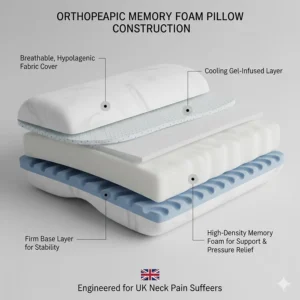
Memory foam (viscoelastic polyurethane) responds to body heat and pressure, contouring precisely to your neck’s unique shape. Originally developed by NASA for aircraft cushioning, this material has revolutionised orthopaedic sleep products. High-density memory foam (50D or higher) provides better support and longevity than lower-density alternatives.
Advantages: Excellent pressure relief, consistent support, motion isolation
Disadvantages: Heat retention, initial off-gassing odour, requires break-in period
Latex: Natural Responsiveness
Natural latex derived from rubber trees offers responsive support that adjusts immediately to position changes. Unlike memory foam’s slow response, latex bounces back instantly whilst still providing contouring support. It’s naturally hypoallergenic and resistant to dust mites.
Advantages: Temperature neutral, very durable (7-10 years), eco-friendly
Disadvantages: Higher cost, some people allergic to natural latex, heavier than foam
Polyester Fibre: Traditional Comfort
High-quality polyester fibrefill pillows incorporate memory foam cores wrapped in soft fibre, combining contouring support with familiar comfort. These hybrid designs ease the transition from traditional pillows to orthopaedic options.
Advantages: Affordable, machine washable, no adjustment period
Disadvantages: Less consistent support, shorter lifespan, requires frequent fluffing
Gel-Infused Foam: Temperature Regulation
Advanced memory foams incorporate gel particles or phases that actively disperse heat, addressing traditional memory foam’s main weakness. These materials suit UK sleepers who experience night sweats or live in warmer regions.
Advantages: Combines memory foam benefits with better cooling
Disadvantages: Premium pricing, gel can migrate over time

Cervical Spondylosis in Younger Adults: A Growing Concern
Whilst cervical spondylosis traditionally affects older populations, UK physiotherapists report increasing cases amongst 30-45 year-olds. This trend correlates directly with modern lifestyle factors that place unprecedented stress on cervical spines.
The “Tech Neck” Epidemic
Smartphones and tablets encourage forward head posture, adding up to 27kg of stress on cervical vertebrae compared to neutral positioning. Consider this: the average UK adult spends 4.2 hours daily on smartphones, according to recent Ofcom research. That’s nearly 1,600 hours annually of excessive cervical strain—no wonder younger people develop spondylotic changes decades earlier than previous generations.
Office Work Impact
Hot-desking, laptop usage, and poorly configured home offices compound the problem. Unlike traditional desktop setups with separate monitors at optimal heights, laptops force your head downward and forward. This prolonged poor posture accelerates disc degeneration and facet joint arthritis.
Prevention Through Proper Sleep Support
Young adults with early spondylotic changes benefit tremendously from proactive intervention. Adopting an appropriate pillow for cervical spondylosis now can slow degeneration and prevent symptom escalation. Think of it as preventative maintenance rather than reactive treatment—far more effective and less costly than addressing advanced disease.
Travel Considerations: Maintaining Support Away From Home
Business travellers and holiday-makers face unique challenges maintaining cervical health whilst away from home. Hotel pillows rarely provide adequate support, potentially triggering symptom flares that ruin trips.
Portable Cervical Pillows
Several manufacturers produce compact travel versions of their orthopaedic pillows. These typically compress to 30-40% of full size, fitting easily in carry-on luggage. Whilst not quite matching full-size pillow performance, they dramatically outperform standard hotel offerings.
The TEMPUR Travel Pillow (£45-£55) represents excellent quality in a compact format. Alternatively, the EPABO travel version (£28-£35) offers budget-friendly portability. Both comply with airline carry-on regulations whilst providing meaningful cervical spine support.
Inflatable Support Options
Inflatable cervical collars work surprisingly well for short trips, particularly flights. These devices maintain neck alignment during upright sleep, preventing the head-drop that causes acute pain during travel. The Trtl Pillow (£25-£30), whilst not specifically an orthopaedic pillow cervical spine product, receives positive reviews from spondylosis sufferers for flight comfort.
Frequently Asked Questions
❓ Can a special pillow cure my cervical spondylosis?
❓ How long does it take to adjust to an orthopaedic pillow?
❓ Should I see a doctor before buying a cervical pillow?
❓ Can I use a cervical pillow if I'm a side sleeper?
❓ Are expensive pillows worth the investment for cervical spondylosis?
Conclusion: Investing in Your Cervical Health
Finding the perfect pillow for cervical spondylosis isn’t just about purchasing a product—it’s about taking control of your health and reclaiming restful sleep. Throughout this guide, we’ve explored seven outstanding options spanning budget-friendly choices to premium medical-grade solutions, each offering distinct advantages for different needs and preferences.
Remember, the “best” pillow is the one that matches your specific requirements: your primary sleep position, body frame, symptom severity, and budget. The Elviros Cervical Pillow delivers exceptional value for most users, combining adjustability with quality construction at a mid-range price. Side sleepers with broader frames might prefer the TEMPUR Neck Pillow’s proven performance, whilst those with severe symptoms should seriously consider the clinical-grade Therapeutica Sleeping Pillow.
Whatever you choose, give your new pillow a fair trial period of at least two weeks. Combine it with proper ergonomics, targeted exercises, and professional guidance when needed. Your neck has supported you for years—now it’s time to support it properly. The investment you make today in quality cervical spine support will pay dividends in reduced pain, better sleep, and improved quality of life for years to come.
Sweet dreams, and here’s to waking up pain-free! 🌙
Recommended for You
- 7 Best Cooling Pillow for Menopausal Night Sweats UK 2026
- 7 Best Pillow for Stomach Sleepers UK 2026
- 7 Best Adjustable Height Pillows UK 2026 – Transform Your Sleep
Disclaimer: This article contains affiliate links. If you purchase products through these links, we may earn a small commission at no additional cost to you. Prices shown are approximate and may vary. Always consult healthcare professionals regarding serious or persistent neck pain. The information provided is for educational purposes and should not replace professional medical advice.
✨ Found this helpful? Share it with your mates! 💬🤗
